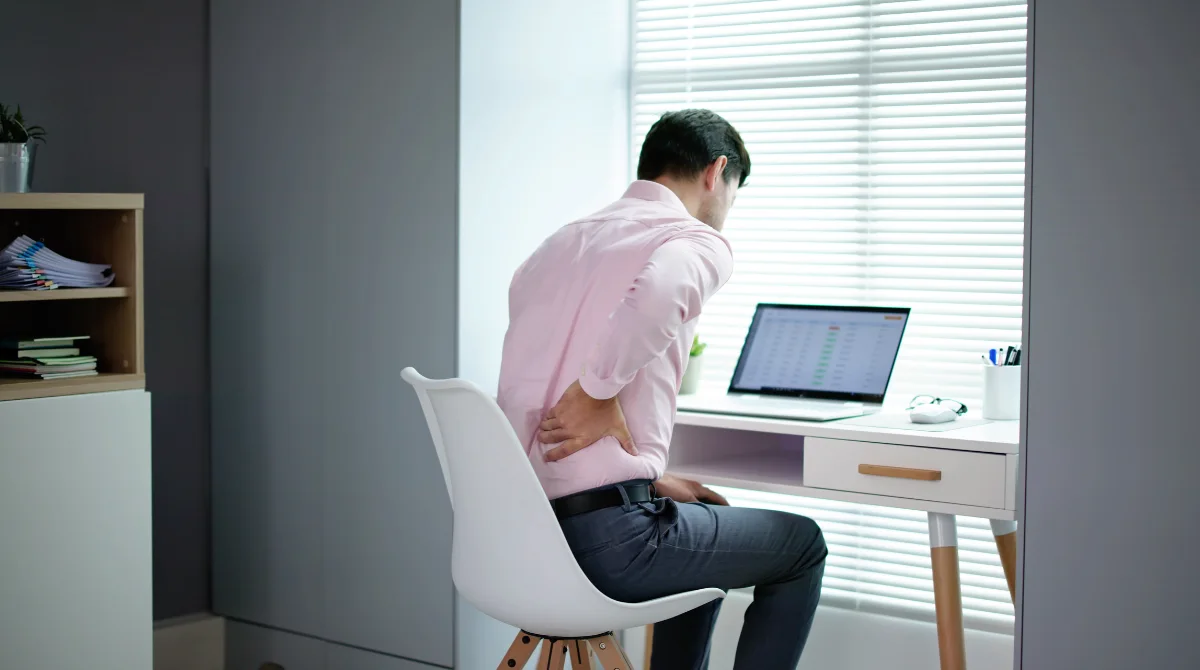
Stomach sleeping puts your hips and lower back in a tough spot. Your midsection carries the most weight, and if the mattress lets it sink even slightly, your spine bows out of neutral alignment. Over time, that leads to chronic lower back pain. But here is the contradiction: a mattress firm enough to keep your hips elevated can feel like sleeping on concrete under your chest and ribs.
No single fixed firmness solves both problems at once.
The right mattress for stomach sleepers depends on your body weight, whether you also sleep on your side or back, and how precisely the mattress can target support where you actually need it.
This guide ranks 11 mattresses based on zone-specific support precision, firmness adjustability, real-time responsiveness, combination sleeper compatibility, long-term durability under hip pressure, and couples independence.
Disclosure: This guide is published by Bryte, which appears at #1. We applied the same six criteria to every mattress on this list, including our own. Competitor information was independently verified, and each entry includes genuine strengths and limitations.
Top Stomach Sleeper Mattresses at a Glance
1. Bryte - Best Overall for Stomach Sleepers
Overview
Bryte's Active Pressure Relief takes a different approach to stomach sleeping support. Instead of relying on passive materials set to one firmness, Bryte uses 90 AI-powered Balancers across 16 independent zones that silently detect and remove pressure points in real time. This means the mattress can be firm under your hips and softer under your chest simultaneously, and it adjusts automatically as you shift positions during the night. Three models share this core platform: the Bryte Balance, Balance PRO, and Balance PRO Conform. PRO models also include pre-built and customizable Contour profiles optimized specifically for stomach sleepers, targeting the hip-to-chest firmness gradient that this position demands.
Key Features
- 90 AI-powered Balancers across 16 independent zones with Active Pressure Relief, which silently detects and removes pressure points in real time
- 0-100 firmness scale per side, adjustable from the app, with AI-guided recommendations based on body attributes and sleep data
- PRO models offer Individual Zone Control for targeting lower back support and stomach-sleeper-specific Contour profiles
- BryteWaves multi-sensory relaxation (gentle rhythmic motion synced with curated audio) for faster sleep onset
- Dual Comfort Design for full couples' independence, including Silent Wake Assist, so each sleeper gets their own personalized comfort without compromise
Best For
Stomach sleepers who want precision support that adapts to their body in real time, especially combination sleepers, couples with different firmness preferences, and anyone tired of guessing the right firmness level.
Pricing
Bryte's full product lineup starts at $4,799 (queen) for the Balance and $6,499 (queen) for PRO models. All include a 100-night trial and 10-year warranty. Over the warranty period, that works out to approximately $1.30 to $1.78 per night. Many stomach sleepers buy and return two or three mattresses before finding the right one. Bryte eliminates that cycle because the firmness adjusts to you rather than requiring you to guess correctly.
Strengths
- Highest support resolution available. For comparison, most zoned mattresses offer 2-3 zones and Sleep Number offers 1 per side. Bryte's 16 zones deliver firm hip support and soft chest support simultaneously.
- Real-time Active Pressure Relief: Bryte has the only mattresses available in the market with real-time Active Pressure Relief, which silently senses and removes pressure and pain points to minimize wake events, adapt to your sleeping position, and maximizes your restorative sleep.
- Eliminates the firmness guessing game. The 0-100 adjustable scale plus AI guidance means you dial in exactly what your body needs.
- Bryte OS delivers over-the-air software updates, so the mattress's support algorithms improve over time. This is a durability advantage no passive mattress can offer.
- Silent operation means adjustments happen without waking you or your partner. This is critical because a noisy system defeats the purpose of real-time adaptation.
Limitations
- Requires WiFi connection and the Bryte app for setup and ongoing adjustments. This is a connected device, not a traditional mattress.
- The AI calibration improves over the first 1-2 weeks as it learns your sleep patterns. Initial nights may require manual firmness adjustments while the system adapts.
- Premium price point places Bryte above most mattresses in the category. The 100-night trial and 10-year warranty offset the upfront cost with long-term confidence.
Verdict
Bryte is the only mattress on this list that delivers zone-specific, real-time support that adapts to your body and position throughout the night. Active Pressure Relief does what no static mattress can: maintain firm hip support without creating chest pressure, continuously adjusting as you shift positions. For stomach sleepers who have struggled with the firmness guessing game, this is the mattress that ends the cycle.
2. Saatva Classic - Best Traditional Innerspring Hybrid
Overview
Saatva Classic is a premium innerspring hybrid with a dual-coil construction and zoned lumbar wire. The Luxury Firm option (around 6.5-7/10) is the recommended choice for stomach sleepers.
Key Features
- Dual steel coil system (pocketed microcoils over support coils)
- Zoned lumbar support wire
- Three firmness options available at purchase
- Free white-glove delivery and mattress removal
Best For
Stomach sleepers who prefer a traditional innerspring feel with good bounce and are confident in their firmness preference at purchase.
Pricing
Around $1,400-$1,800 for a queen with free white-glove delivery.
Strengths
- Zoned coil support provides meaningful hip reinforcement
- Excellent edge support and responsiveness
Limitations
Fixed firmness means you must guess correctly at purchase. Foam comfort layers will compress over time under concentrated hip pressure, gradually reducing support where stomach sleepers need it most.
Users on r/Mattress shared mixed experiences with the Saatva Classic firmness:
"I bought the Saatva Classic Luxury Firm about 2.5 years ago. It was great for the first year, but now there is significant sag in the lower back area and I wake up with back pain every day. I've rotated but the sag now exists in the rotated position as well."
Verdict
A strong traditional option with genuine zoned support. Best for stomach sleepers who know exactly what firmness they want and prefer a conventional innerspring feel. Cannot adapt to body changes or position shifts the way active technology can.
3. Helix Dawn - Best Firm Hybrid for Stomach and Back Sleepers
Overview
Helix Dawn is purpose-built for stomach and back sleepers with a firm profile (around 8/10). The Luxe upgrade adds zoned lumbar support and a pillow top.
Key Features
- Dense foam layers designed for pushback under core areas
- Pocketed coil support system
- Firm surface profile (8/10)
- Luxe version adds zoned lumbar support
Best For
Average-to-heavier stomach sleepers who know they prefer a firm surface and do not frequently switch to side sleeping.
Pricing
Around $1,000-$1,400 for a queen (standard); Luxe version around $1,700-$2,100. Competitive pricing for a purpose-built mattress.
Strengths
- Specifically engineered for stomach sleeping posture
- Strong pushback prevents hip sinking
Limitations
At 8/10 firmness, lighter stomach sleepers may experience chest and rib discomfort. No firmness adjustment after purchase. Not ideal for combination sleepers who also spend time on their side.
One user on r/Mattress described their experience with the Helix Dawn firmness:
"I recently purchased a Helix Dawn and immediately was not a fan. Reading reviews and watching YouTube videos led me to believe this was going to be a firm mattress but sadly I'm disappointed. I'm a back sleeper that wants to be on top of the mattress rather than in it. What's important to me is the ease of moving around or bounce in the mattress along with edge support."
Verdict
A solid choice for stomach sleepers who are certain they need a firm surface. The lack of adjustability means you need to be confident in the firmness level before committing.
4. DreamCloud Hybrid - Best Value for Budget-Conscious Stomach Sleepers
Overview
DreamCloud offers a budget-friendly hybrid with medium-firm support and a generous 365-night trial period.
Key Features
- Pocketed coil support with memory foam comfort layer
- Medium-firm profile (around 6.5/10)
- 365-night trial period
- Lifetime warranty
Best For
Budget-conscious stomach sleepers of average weight who want a straightforward hybrid without advanced features.
Pricing
Around $600-$900 for a queen, frequently discounted. One of the most affordable hybrids in the category.
Strengths
- Strong value proposition at the price point
- Extended 365-night trial reduces purchase risk
Limitations
Lacks zoned support, so hip reinforcement is not specifically targeted. Medium-firm may not be supportive enough for heavier stomach sleepers. Foam layers are susceptible to compression over time under concentrated pressure.
Verdict
A reasonable entry point for stomach sleepers on a budget. Provides basic support but cannot match the precision or longevity of mattresses with zoned or active support systems.
5. Avocado Green - Best Natural Option for Eco-Conscious Stomach Sleepers
Overview
Avocado Green is a latex hybrid with GOLS-certified organic latex and GOTS-certified organic cotton and wool. Firmness sits around 7-7.5/10.
Key Features
- GOLS-certified organic Dunlop latex comfort layer
- Pocketed coil support system
- Firmness around 7-7.5/10
- Optional pillow top for softer feel
Best For
Eco-conscious stomach sleepers who prefer natural materials and want the durability advantage of latex over foam.
Pricing
Around $1,400-$1,800 for a queen. Premium pricing justified by organic certifications and latex durability.
Strengths
- Latex resists impression formation better than memory foam, maintaining hip support longer
- Responsive surface prevents the stuck feeling some stomach sleepers dislike in memory foam
Limitations
Fixed firmness with no adjustability. The optional pillow top may be too soft for strict stomach sleepers. No zone-specific support targeting.
Verdict
The strongest natural mattress option for stomach sleepers. Latex durability is a genuine advantage, though the lack of adjustability means you are still locked into one firmness level.
6. Brooklyn Bedding Plank Firm - Best Ultra-Firm for Heavier Stomach Sleepers
Overview
Brooklyn Bedding Plank Firm is a flippable mattress offering two firmness levels: Firm (8/10) and Extra Firm (9/10).
Key Features
- Flippable design with Firm and Extra Firm sides
- Dense foam construction
- Flat, supportive surface with minimal comfort layer
Best For
Heavier stomach sleepers (230+ lbs) who need maximum support and prefer sleeping on a very firm, flat surface.
Pricing
Around $800-$1,200 for a queen. Reasonable pricing for the niche it serves.
Strengths
- Two firmness options in one mattress via flippable design
- Extremely effective at preventing hip sinking for heavier sleepers
Limitations
Too firm for many stomach sleepers, especially those under 180 lbs, where the extreme firmness creates chest and rib pressure. Completely unsuitable for combination sleepers who also sleep on their side. All-foam construction will compress over time.
Verdict
A specialized choice for a specific subset of stomach sleepers. If you weigh 230+ lbs and sleep exclusively on your stomach, the Plank Firm delivers. For everyone else, the firmness will likely create new problems.
7. Leesa Sapira - Best Mid-Range Balanced Hybrid
Overview
Leesa Sapira is a well-rounded hybrid providing balanced medium-firm support (around 6.5-7/10) with pocket springs and premium foam layers.
Key Features
- Pocket spring support system
- Premium foam comfort layers
- Medium-firm profile (around 6.5-7/10)
Best For
Stomach sleepers who want a well-rounded hybrid without paying for features they may not need.
Pricing
Around $1,200-$1,600 for a queen.
Strengths
- Well-balanced firmness that works for stomach sleeping without feeling overly rigid
- Good motion isolation for partner disturbance
Limitations
No zoned support for targeted hip reinforcement. Fixed firmness. Does not stand out significantly from other mid-range hybrids on any specific stomach sleeper criterion.
Verdict
A competent mid-range hybrid. Works well for stomach sleepers but does not specifically target this position's unique support challenges.
8. Saatva Latex Hybrid - Best Responsive Natural Alternative
Overview
Saatva Latex Hybrid combines Talalay latex with pocketed coils for a responsive, bouncy feel that differs significantly from memory foam.
Key Features
- Talalay latex comfort layer
- Pocketed coil support system
- Medium-firm profile
- Organic cotton cover
Best For
Stomach sleepers who want responsive, bouncy support rather than the contouring hug of memory foam, and who value latex durability.
Pricing
Around $1,500-$1,900 for a queen.
Strengths
- Latex resists body impressions better than foam, maintaining hip support longer
- Responsive feel makes repositioning easier during the night
Limitations
Fixed firmness with no adjustability. No zone-specific support targeting. Higher price than comparable hybrids without a clear performance advantage for stomach sleepers specifically.
Verdict
A quality latex hybrid that offers durability advantages. Good for stomach sleepers who prefer responsive support, but the fixed firmness and lack of zoning limit its specificity for this sleep position.
9. Tempur-Pedic TEMPUR-Adapt - Best Memory Foam Option
Overview
Tempur-Pedic offers the most recognized memory foam brand with firm options suitable for stomach sleeping (around 7-7.5/10).
Key Features
- Proprietary TEMPUR memory foam
- Firm option available (around 7-7.5/10)
Best For
Stomach sleepers who specifically prefer the contouring, body-hugging feel of memory foam and are willing to accept the trade-offs.
Pricing
Around $1,800-$2,500 for a queen. Premium pricing for the TEMPUR brand name.
Strengths
- TEMPUR material provides consistent, predictable contouring
- Strong brand warranty and customer support infrastructure
Limitations
Memory foam tends to allow more sinkage than hybrids or latex, which can compromise hip support for stomach sleepers. No firmness adjustability after purchase. Foam will compress over time, especially under concentrated hip-zone pressure.
Verdict
A quality memory foam option for stomach sleepers who love the contouring feel. Many sleep guides suggest hybrids or firmer constructions for stomach sleeping, so this is a preference-driven choice.
10. Helix Midnight Luxe - Best for Stomach-Side Combination Sleepers
Overview
Helix Midnight Luxe is a medium-feel hybrid (around 5.5-6/10) with zoned lumbar support, designed more for side sleepers but viable for combination sleepers.
Key Features
- Medium firmness (around 5.5-6/10)
- Zoned lumbar support
- Quilted pillow top
- Pocketed coil base
Best For
Combination sleepers who split time between stomach and side sleeping and want a medium-feel compromise.
Pricing
Around $1,700-$2,100 for a queen.
Strengths
- Zoned lumbar support helps stomach sleeping segments of the night
- More comfortable for side sleeping transitions than firmer options
Limitations
Medium firmness may allow too much hip sinking for dedicated stomach sleepers. The pillow top adds softness that works against stomach sleeping support. This is a compromise mattress, not a stomach sleeping specialist.
Verdict
Consider this if you split your sleep fairly evenly between stomach and side positions. Dedicated stomach sleepers should look at firmer options or adjustable technology that can handle both positions without compromise.
11. Sleep Number - Best Known Adjustable Firmness Option
Overview
Sleep Number is the most recognizable adjustable-firmness brand, and firmness adjustability is genuinely valuable for stomach sleepers. However, when evaluated on the three metrics that define quality Active Pressure Relief, Sleep Number shows meaningful differences in how adjustability is implemented. Resolution: a single air bladder per side treats the entire body as one zone. Response time: adjustments happen periodically rather than continuously. Noise: the air pump produces audible noise during adjustment.
Key Features
- Air chamber firmness adjustment (0-100 per side)
- SleepIQ sleep tracking
- Multiple models at various price points
- Wide retail presence for in-store testing
Best For
Couples who want independent firmness control and prefer to test in a physical store before buying. Best for sleepers who want manual adjustability and are less concerned with automatic, real-time adaptation.
Pricing
Around $1,000-$3,500+ for a queen depending on model. Wide price range across the lineup.
Strengths
- Firmness adjustability is genuinely useful for stomach sleepers who do not know their ideal firmness
- Dual-side independence for couples
Limitations
Sleep Number's single-zone-per-side design means it adjusts overall firmness rather than targeting specific areas like hips versus chest. Adjustments happen periodically rather than in real time, and the air pump produces audible noise during changes. These are trade-offs of the air-chamber approach rather than defects.
Verdict
Sleep Number pioneered consumer-accessible firmness adjustability, and that adjustability is genuinely valuable for stomach sleepers. But for stomach sleepers who need zone-specific, real-time support, the technology has meaningful resolution, speed, and noise limitations compared to newer active systems.
Red Flags to Watch For
When evaluating mattresses for stomach sleeping, these warning signs suggest a provider may not deliver results:
Vague firmness descriptions. Terms like "medium-firm" or "supportive" without specific firmness ratings (on a 10-point scale) or weight-based guidance make it impossible to predict whether the mattress will work for your body.
No mention of hip support or zoning. Stomach sleepers have specific support needs in the hip zone. If a mattress description does not address how it handles concentrated pressure in this area, it was not designed with your position in mind.
Short trial periods. Your body needs 2-3 weeks to adjust to a new mattress. Trial periods under 90 nights do not give you enough time to evaluate whether the mattress maintains support over time.
All-foam construction without density specs. Foam compresses under concentrated pressure. If a mattress uses foam in the support core and does not specify high-density materials (at least 1.8 PCF for polyfoam, 4+ PCF for memory foam), expect faster degradation in the hip zone.
The mattresses worth considering will welcome informed questions about their methodology and provide specific, verifiable answers.
Questions to Ask When Evaluating Mattresses for Stomach Sleeping
Use these questions, derived from our ranking criteria, when assessing any mattress:
- How many independent support zones does the mattress have? Look for at least 3 zones, with specific reinforcement in the hip and lower back area.
- Can I adjust the firmness after purchase? If not, what is your return policy and how long is the trial period?
- What happens to the support materials under concentrated pressure over time? Ask specifically about the hip zone, where stomach sleepers apply the most force.
- If I also sleep on my side or back, how does the mattress handle position changes? Does it require manual adjustment or does it adapt automatically?
- What is the firmness rating on a 10-point scale, and do you provide weight-based guidance? Vague descriptions are not enough to make an informed decision.
- For couples: Can each side be controlled independently? If one partner is a stomach sleeper and the other is a side sleeper, can the mattress accommodate both?
- What is the warranty period and what does it actually cover? Look for at least 10 years with coverage for sagging beyond 1 inch.
- How long is the trial period and what are the return logistics? You need at least 90 nights to properly evaluate stomach sleeping support.
How We Ranked These Mattresses
We scored each mattress on six criteria designed around the unique biomechanics of stomach sleeping:
Zone-Specific Support Precision. Stomach sleepers need firm support at the hips to prevent sagging, but softer support at the chest and ribs to avoid pressure pain. A mattress that treats the whole body uniformly forces a compromise. Resolution matters: how many independent zones can the mattress address? Most mattresses treat your body as 1-3 zones. Sixteen independent zones means each area of your body gets the support it actually needs.
Firmness Adjustability and Personalization. There is no single correct firmness for all stomach sleepers. Body weight, body composition, and whether someone also sleeps on their side or back all change the ideal firmness. A mattress that locks you into one firmness level is a gamble.
Real-Time Responsiveness (Active Pressure Relief). Defined as real-time sensing of pressure points combined with real-time adjustments. Stomach sleepers shift during the night. A mattress that only works in one position or requires manual adjustment cannot keep up. Three metrics define quality Active Pressure Relief: resolution (how many independent zones), response time (seconds versus periodic adjustments), and noise level (silent operation that does not wake the sleeper). The speed and silence of adjustment determine whether the sleeper stays asleep or wakes up.
Combination Sleeper Compatibility. Most stomach sleepers also spend part of the night on their side or back. Side sleeping demands softer shoulder zones, while stomach sleeping demands firmer hip zones. Static mattresses force a single compromise firmness that serves neither position optimally.
Long-Term Durability Under Hip Pressure. Stomach sleepers concentrate weight on the hip zone, causing foam and comfort layers to degrade faster than in other sleep positions. A mattress that feels perfect at month one but sags by year two is a poor investment.
Couples Independence. Partners often have different sleep positions and firmness preferences. A mattress that works for a stomach sleeper but disturbs their side-sleeping partner creates a different problem.
We weighted Active Pressure Relief highest because it directly addresses the core stomach sleeper problem: maintaining firm hip support without creating chest pressure, continuously rather than at a single point in time. Zone-Specific Support Precision and Firmness Adjustability scored second and third, as these directly determine whether a mattress can address the hip-versus-chest firmness dilemma that defines stomach sleeping.
Frequently Asked Questions
What firmness is best for stomach sleepers?
Most stomach sleepers do well between 6 and 8 on a 10-point firmness scale. The ideal number depends on your body weight: under 150 lbs needs 6-6.5 firmness, 150-200 lbs needs 6.5-7, and over 200 lbs needs 7-8. The challenge is that no single number works for everyone, which is why adjustable firmness eliminates the guesswork.
Is stomach sleeping bad for your back?
Stomach sleeping is not inherently bad for your back, but it requires a mattress that keeps your hips elevated and spine neutral. The risk comes from hip sinking, which creates an exaggerated arch in the lower back. With proper targeted support at the hip zone, stomach sleeping is a perfectly healthy position.
Conclusion
The best mattress for stomach sleepers depends on how precisely you need support targeted to your body. These six criteria work for evaluating any mattress, not just the ones listed here. Ask about zone count, firmness adjustability, and how the mattress handles position changes. Those questions will tell you more than any marketing claim.
If you know your firmness and sleep only on your stomach: Saatva Classic or Helix Dawn offer proven support. If you are on a budget: DreamCloud provides basic support under $1,000. If you want natural materials: Avocado Green delivers latex durability. If you weigh 230+ lbs: Brooklyn Bedding Plank Firm prevents hip sinking. If you are a combination sleeper or unsure about firmness: Bryte's Active Pressure Relief eliminates the guessing game entirely. If you want in-store testing: Sleep Number offers wide retail presence.
For stomach sleepers who also sleep on their side, who share a bed with a partner who has different needs, or who are tired of the mattress return cycle, Bryte's 100-night trial means you can experience real-time, zone-specific support without committing permanently. That is the difference between managing discomfort and solving it.
Shop Bryte Beds
From the Park Hyatt New York to Rosewood Miramar Beach, thousands of guests have experienced Bryte in the world’s top hotels—now it’s your turn.