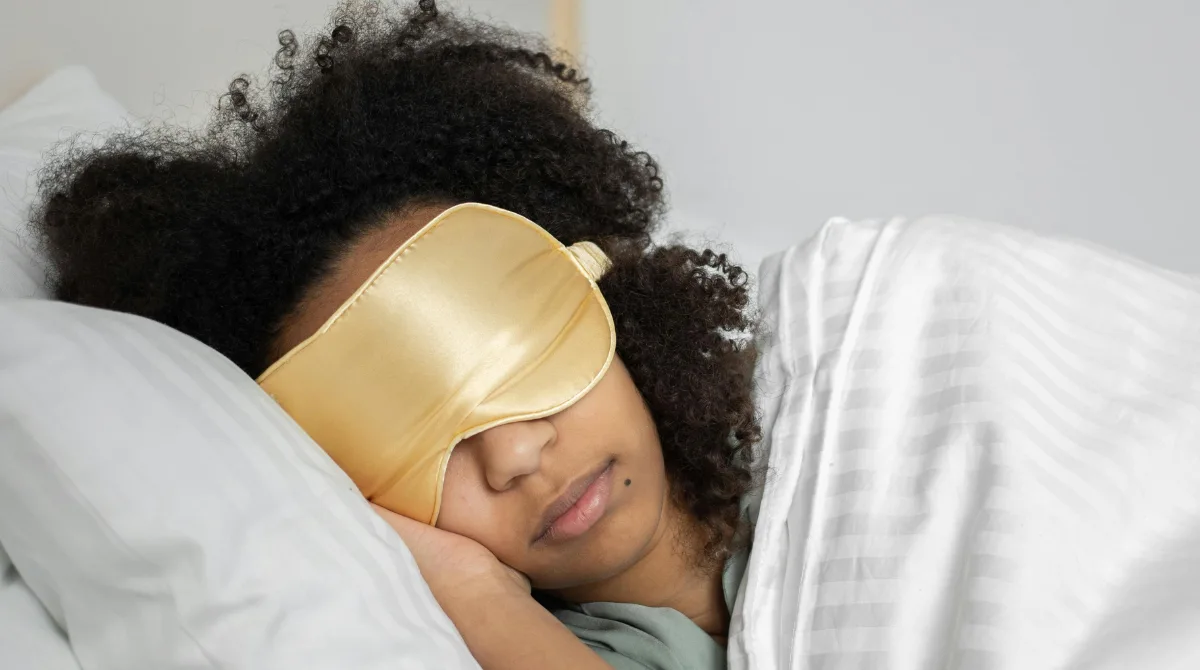
Morning neck pain is commonly associated with a combination of sleep position, pillow support, and mattress interaction — though individual causes vary and may include underlying musculoskeletal or neurological factors.
When these three elements are mismatched—or when you change positions during sleep while they remain static—neck strain can develop during sleep.
This isn't a personal failing. At any given time, 10-20% of people report neck pain, and 54% have experienced discomfort within the past six months. Cervical pain prevalence has increased 21.1% over the past 25 years, projected to reach 269 million cases globally by 2050. The prevalence of neck pain has increased globally, underscoring the importance of effective prevention and management strategies.
Here's what most advice misses:
Sleep studies suggest adults may change position 11 and 55 times per night. A pillow that supports your neck perfectly when you fall asleep on your back fails completely when you roll onto your side at 2 AM. Static sleep surfaces can't solve a dynamic alignment problem.
Common Contributors to Morning Neck Pain
Morning neck pain typically stems from one or more of these factors working together:
- Sleep position misalignment — Stomach sleeping forces head rotation, straining neck muscles. Research suggests prone sleeping reported the highest percentage of waking cervical symptoms among all positions.
- Inadequate pillow support — Pillow height that doesn't match your sleep position creates cervical misalignment. Back sleeping generally requires lower pillow loft, while side sleeping typically benefits from higher loft to fill the shoulder-to-head gap. Optimal height varies by body shape and mattress firmness.
- Mattress firmness mismatch — Too firm prevents proper shoulder sink; too soft allows spinal sag. Medium-firm mattresses reduced cervical pain from 4.5 to 1.9 on the pain scale over four weeks.
- Position changes during sleep — You move 11-55 times nightly, but your pillow height stays constant. Each transition creates a new alignment problem.
- Stress-induced muscle tension — One of the studies found that 68.4% of neck pain patients suffer from anxiety. Stress contracts neck muscles that may not release during sleep.
How Your Pillow Affects Neck Pain
Pillow height is the most overlooked variable in morning neck pain. Research using the SSS method—measuring optimal height across supine, lateral, and turning positions—found that 50% of participants achieved clinically meaningful improvement with properly adjusted pillows.
The problem: "proper" height differs by position.
If you sleep exclusively in one position, finding the right pillow is straightforward. Most people don't. Studies show sleepers spend 54.1% of the night on their side, 37.5% on their back, and 7.3% on their stomach. A pillow optimized for side sleeping pushes your head too high when you roll onto your back.
The frustration of finding the right pillow is something many people experience firsthand. As one user shared on r/Bedding:
"I have serious neck issues inherited from my mom and let me tell you - there is no unicorn pillow for neck issues. It is a never ending battle to get neck support and sleep without pain and headaches. I've tried them all and more. Even considered making my own prototype pillows. I've just given up at this point. I don't mean to sound negative but I know i do. It's just very disheartening after spending so much time, research, money and products to have not found 'the' right pillow."
Signs your pillow is the problem:
- Pain improves when sleeping in hotels or guest rooms with different pillows
- Symptoms are worse on one side of your neck
- You wake up having pushed your pillow away or bunched it under your neck
How Your Mattress Affects Neck Alignment
Mattress firmness determines shoulder sink depth, which determines how much space exists between your head and the sleep surface, which determines what pillow height you need. Change one variable without adjusting the others, and alignment suffers.
In a large consumer survey, an AARP survey of adults 50 and older with neck pain found 87% reported relief after getting a new mattress. But "new" isn't the operative word—"appropriate" is.
What the research shows:
- Medium-firm mattresses (rated ~5.6/10) outperformed firm mattresses for pain reduction
- Mattresses supporting the spine's natural curvature increased sleep efficiency and REM sleep
- Balanced pressure distribution across back, buttocks, and legs correlated with higher comfort
The relationship between mattress firmness and side sleeping is particularly important. As one user explained on r/Posture:
"If you're a side sleeper, firm mattresses are bad. You're compressing your arm + shoulder as you sleep and it'll cause issues. Side sleepers need a soft-medium mattress, especially if you've got some weight on you. I'm not hefty by any means, 6'3, 80kg, side sleeper, and on a firm mattress I end up with horrible neck and back pain. Either sleep on your back or get a memory foam mattress topper. They're cheap and will make a world of difference."
Signs your mattress is the problem:
- Pain is consistent regardless of pillow changes
- Symptoms improve when sleeping on different surfaces (hotels, guest beds)
- You wake with stiffness in multiple areas, not just your neck
The Combination Sleeper Problem
A combination sleeper transitions between multiple positions during the night rather than staying in one. According to the Sleep Foundation, this describes most people—single-position sleepers are the exception, not the rule.
This creates a fundamental problem: optimal support requirements change with every position shift.
The Dynamic Alignment Challenge:
- When you roll from back to side, your shoulder sink depth changes
- Your pillow height stays the same
- Cervical alignment that was neutral becomes strained
- Multiply this by 11-55 position changes per night
Traditional mattresses provide fixed support profiles and do not actively adapt to position changes during sleep.
A mattress that feels supportive when you lie down may fail to maintain alignment as you move. Some sleep laboratory studies have explored adjustable air systems. Participants showed improved sleep efficiency and increased REM sleep when mattresses could adapt to position changes.
This is why many people cycle through multiple pillows and mattresses without lasting relief. They're solving for one position while sleeping in several.
Why Stress Causes Morning Neck Pain
The neck pain-anxiety connection is stronger than most realize. Research shows 68.4% of patients with neck pain suffer from anxiety, and 55.7% have depression. A study of 448 patients found those with depression and anxiety had the highest pain levels.
How stress becomes neck pain:
- Stress triggers the fight-or-flight response
- Neck and shoulder muscles contract in preparation for action
- If stress occurs near bedtime, muscles remain contracted during sleep
- Eight hours of sustained tension produces morning stiffness and pain
The relationship is bidirectional. Poor sleep increases stress sensitivity and pain perception, while pain disrupts sleep quality. Research on middle-aged women found 89.7% had poor sleep quality, with neck pain positively correlating with sleep quality scores.
Many people don't initially connect their physical symptoms to anxiety. As one user described on r/Anxiety:
"Yeah I had to see a doctor because I was getting these awful headaches often that knocked me on my butt and hurt worse than when I broke my wrist. I found out these were tension headaches from always having stiff shoulders and neck, because when I'm anxious I kind of 'curl up' and slouch with my head down. I didn't expect my headaches to come from anxiety."
Signs stress is a primary driver:
- Symptoms correlate with stressful periods
- Pain varies even when sleep setup stays constant
- Relaxation techniques provide noticeable relief
- You wake with tension in shoulders and jaw, not just neck
The Sleep Setup Triangle: A Systems Framework
Understanding why single-variable solutions fail requires seeing pillow, mattress, and position as an interdependent system—the Sleep Setup Triangle.
Why optimizing one element often fails:
The SSS method research demonstrates this principle. By measuring optimal pillow height across supine, lateral, AND turning positions, researchers achieved 50% meaningful improvement—double what single-position optimization typically produces.
A post on r/BedroomBuild offers a detailed breakdown of this systems approach:
"One of the biggest misconceptions in the bedding world is that morning soreness automatically means you need a new mattress. After decades of watching sleepers blame the wrong thing, I can tell you this: waking up sore is almost always a system problem, not a single-product problem. Your mattress, pillows, sleep posture, and even your micro-movements during the night all interact, and when one piece is off, your body pays the price by morning."
Evaluating your triangle:
- Does pain change when you sleep in different beds with the same pillow?
- Does pain change when you use the same bed with different pillows?
- Do symptoms vary based on which position you wake up in?
If the answer to multiple questions is yes, you're dealing with a systems problem requiring a systems solution.
Morning Neck Pain Relief Protocol
Important: The following general mobility suggestions are for educational purposes only and are not a substitute for medical or physical therapy guidance.
When you wake with neck pain, these steps can help—in order of priority:
Step 1: Gentle range-of-motion (2-3 minutes)
- Slowly turn head side to side within comfortable range
- Tilt ear toward each shoulder, hold 5 seconds
- Avoid forcing through pain
Step 2: Heat application - typically for short durations (15-20 minutes), depending on comfort and tolerance
- Warm compress or hot shower
- Heat relaxes tight muscles and increases blood flow
- Use ice only if you suspect acute injury or inflammation
Step 3: Chin tucks (10 repetitions)
- Draw chin straight back, keeping eyes level
- Hold 3-5 seconds
- Counteracts forward head posture
Step 4: Lateral stretches (15 seconds each side)
- Tilt ear toward shoulder
- Gently increase stretch with same-side hand
- Keep opposite shoulder down
Step 5: Slow neck rotations (5 each direction)
- Turn head smoothly to each side
- Move through full comfortable range
- Avoid quick or jerking movements
Mild morning stiffness often improves with gentle movement, though timelines vary between individuals.
When to Seek Professional Evaluation
If symptoms persist despite basic sleep setup adjustments and self-care strategies, further evaluation may be appropriate.
Seek evaluation if you experience:
- Pain radiating down your arm
- Numbness or tingling in hands or fingers
- Difficulty with coordination or balance
- Neck pain following injury or accident
- Pain accompanied by headache, fever, or unexplained weight loss
- Morning stiffness lasting more than 60 minutes daily
- Symptoms worsening despite sleep setup changes
The distinction between normal stiffness and a red flag: normal stiffness responds to gentle movement and resolves within an hour. Concerning symptoms persist, worsen, or come with neurological changes.
The Neck-Headache Connection
Morning headaches often share a cause with morning neck pain. Cervicogenic headaches originate from the cervical spine and account for 15-20% of all headaches. Additionally, 70% of TMJ patients have neck pain—jaw tension during sleep transfers directly to neck muscles.
Features commonly associated with cervicogenic-type headaches include:
- Pain begins at base of skull or back of head
- Often one-sided
- Accompanied by reduced neck range of motion
- Improves when neck pain is treated
- Worsens with certain neck positions
Diagnosis requires professional evaluation.
Sleep posture contributes when:
- Stomach sleeping forces head rotation, straining neck muscles
- Jaw clenching overnight transfers tension to cervical spine
- Pillow height creates sustained neck flexion or extension
If changing your sleep position affects both neck pain and headaches, the cervical spine is likely the common source.
How Adaptive Sleep Technology Addresses the Dynamic Problem
Disclosure: The following section references Bryte proprietary technology and product features. This content is educational in nature and includes commercial examples.
Static mattresses face a fundamental limitation: they cannot respond to position changes. A surface that provides proper alignment when you lie down may fail to maintain it as you move 11-55 times throughout the night.
Bryte's approach addresses this through Active Pressure Relief.
The Bryte Adaptive Core™ contains up to 90 intelligent, pneumatic Bryte Balancers™ organized into 16 independent zones (8 per sleeper). These sensors detect pressure changes and adjust firmness in real-time.
How this is designed to address challenges associated with combination sleeping patterns:
- Sensors detect when you shift positions
- Firmness adjusts to maintain cervical alignment
- No single "compromise" setting required
- Each position gets appropriate support
For the stress-pain cycle, Bryte's BryteWaves™ technology syncs gentle, rhythmic motion with curated audio—nature sounds, guided meditation, breathwork—to intended to support relaxation routines through synchronized motion and audio experiences. PRO models include a library of relaxation tracks designed to address the psychological component of overnight muscle tension.
The Bryte smart mattress portfolio includes three models:
For couples, the Dual Comfort Design allows each partner to control their side's firmness independently (0-100 scale), eliminating the compromise that satisfies neither. Silent Wake Assist uses gradual motion to wake one partner without disturbing the other.
The Economic Reality of Untreated Neck Pain
Morning neck pain carries costs beyond daily discomfort. Back and neck pain together account for an estimated $250 billion annually in the United States. The average annualized cost per employee is $1,727, with 56.1% from lost productivity rather than direct medical expenses.
Chronic neck pain has a 37.2% one-year prevalence and ranks as a leading cause of years lived with disability. In Spain, 12.3% of workers missed at least 7 days annually due to neck pain.
These figures reframe the cost of intervention. A sleep system addressing root causes—dynamic alignment, stress-induced tension, partner accommodation—may be considered by some consumers as part of a broader comfort and sleep quality strategy.
Frequently Asked Questions
Why does my neck hurt when I wake up but feel fine later?
Overnight muscle tension and misalignment cause stiffness that resolves once you move and blood flow increases. Morning pain that fades is often associated with sleep-related factors, though underlying conditions cannot be ruled out without evaluation.
Common reasons for this pattern:
- Pillow height wrong for your sleep position(s)
- Muscles contracted from stress not releasing during sleep
- Position changes creating repeated misalignment
What pillow works best if I change positions at night?
No single pillow height works optimally for all positions. Back sleeping needs ~5 inches; side sleeping needs 5-7 inches.
Options for combination sleepers:
- Adjustable-height pillows you modify based on dominant position
- Medium-height compromise (~5.5 inches) with moderate loft
- Adaptive sleep surface that adjusts support as you move
Should I use a firm or soft mattress for neck pain?
Medium-firm typically outperforms both extremes. In one controlled study medium-firm mattresses reduced pain more than firm ones, with cervical pain dropping from 4.5 to 1.9 over four weeks.
The key factor: your mattress affects pillow requirements. Firmer surfaces mean less shoulder sink, requiring higher pillows for side sleeping.
Can stress actually cause morning neck pain?
Yes. Some studies report 68.4% of neck pain patients have anxiety. Stress triggers muscle contraction that may persist through sleep, producing morning stiffness even with proper sleep setup.
Indicators stress is involved:
- Symptoms correlate with stressful periods
- Jaw tension or teeth grinding present
- Relaxation techniques provide relief
How often do people actually change positions during sleep?
Research shows adults change position 11-55 times per night, with poor sleepers moving more frequently. Most people spend 54.1% on their side, 37.5% on their back, and 7.3% on their stomach.
This explains why "side sleeper" or "back sleeper" pillow recommendations often fail—they optimize for one position while you sleep in several.
When should I see a doctor for morning neck pain?
Seek evaluation if pain persists beyond one week despite sleep adjustments, radiates down your arm, includes numbness or tingling, follows an injury, or comes with headache, fever, or neurological changes.
Red flag symptoms requiring prompt attention:
- Difficulty with coordination or balance
- Progressive weakness in arms or hands
- Pain accompanied by unexplained weight loss
Can a new mattress really help with neck pain?
For many people, yes. An AARP survey found 87% of adults 50+ with neck pain reported relief after getting a new mattress. The key is appropriate firmness for your body and sleep style—not simply replacing an old mattress with any new one.
Adaptive mattresses with active pressure relief that adjust throughout the night address the limitation of static surfaces: maintaining alignment across multiple position changes.
About This Content
Some examples in this article reference personal experiences shared online. These anecdotes are included for context and should not be interpreted as scientific proof or medical guidance.
This article summarizes publicly available sleep research, biomechanics literature, and product design concepts. It is not intended as medical advice. Ongoing neck pain, limited range of motion, numbness, tingling, or pain following injury should be assessed by a licensed healthcare provider.

Shop Bryte Beds
From the Park Hyatt New York to Rosewood Miramar Beach, thousands of guests have experienced Bryte in the world’s top hotels—now it’s your turn.