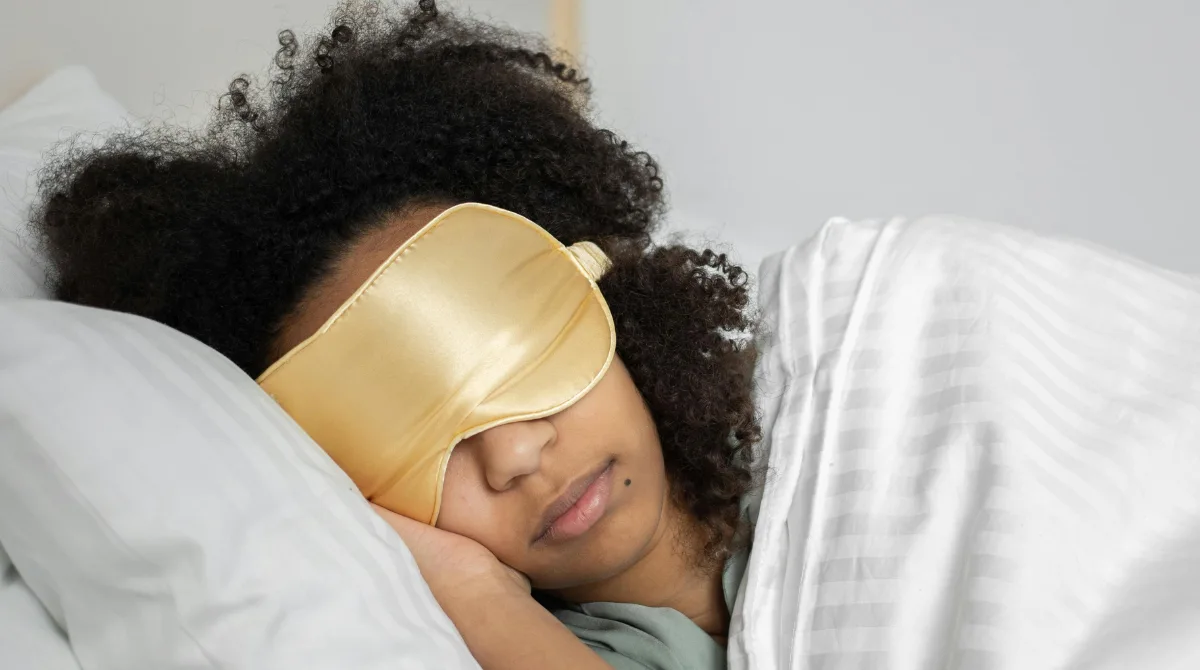
Morning back pain can be influenced by sleep position changes, pressure sensitivity, mattress support, and underlying health factors. Many people move multiple times per night, and a sleep surface that doesn’t match an individual’s body and comfort needs can contribute to waking stiffness.
The advice to "maintain correct sleep position" fails because no one can control what happens during sleep—and that’s where discomfort can build.
The core problem: Your sleep surface remains fixed while your body constantly moves. Each position creates pressure points where bones press close to skin—shoulders, hips, lower back. Blood flow decreases. Discomfort builds. Your body shifts to find relief, often pulling you out of restorative sleep stages. By morning, prolonged pressure or suboptimal support can contribute to stiffness — especially in people who already have back sensitivity.
Key Factors Behind Morning Back Pain
Morning back pain results from the interaction of several factors:
- Movement during sleep: people change positions, impacting support needs across the shoulders, hips, and lower back
- Pressure concentration: Some positions can feel “pinchy” or stiff over time, prompting micro-adjustments and awakenings
- The pain-sleep cycle: Pain disrupts sleep; poor sleep increases pain sensitivity the next day
- Mattress degradation: Support materials compress over time, with pain sufferers averaging 7.18-year-old mattresses
- Partner disturbance: 31% of adults have opted for "sleep divorce" due to partner disruptions
You're not alone in this. Studies estimate that 43% of adults report morning back pain, and 39% of U.S. adults experienced back pain in the past three months. The problem may cost the U.S. economy estimated $86 billion annually in healthcare expenses.
The Position Paradox: Why Sleep Posture Advice Fails
The conventional advice—sleep on your back or side with proper pillow support—assumes you'll stay in that position all night. Research shows this assumption is fundamentally flawed.
Healthy adults shift positions 11-56 times per night while unconscious. One study documented an average of 55.69 postural changes per night. These movements aren't failures—they're protective responses. Your body shifts to relieve pressure, restore blood flow, and relieve localized pressure and restore comfort.
The disconnect becomes clear when you examine chronic pain patients. Among those with low back pain, 92% experience sleep difficulties despite actively avoiding positions that trigger pain. They can control their starting position. They cannot control the hours that follow.
Research from the Journal of Yoga and Physiotherapy found no significant statistical correlation between sleep position alone and low back pain occurrence (p=0.06). Sleep position can matter, but it’s only one contributor. Mattress condition, pillow support, stress, activity level, and underlying conditions also play roles.
How Pressure Points Develop During Sleep
When you lie down, body weight concentrates where bones press closest to skin—shoulders, hips, knees. Over time, localized pressure can feel uncomfortable or “pins-and-needles” for some people, prompting position changes.
Side sleepers spend 54-74% of sleep time in that position, creating sustained pressure on one side of the body. The cycle works like this:
- Initial comfort: You settle into a position that feels good
- Pressure accumulation: Weight compresses tissue against bone over 30-90 minutes
- Blood flow restriction: Numbness or tingling begins
- Protective shift: Your body moves to relieve pressure, often disrupting deeper sleep stages
- Temporary relief: New position feels comfortable—until pressure builds again
- Repeat: This cycle continues throughout the night
Some sleep studies have found differences in movement and wake frequency by sleep position. Some studies report that restlessness indices increase 379% when sleeping on your back compared to your side. Back sleepers wake 4.80 times per hour versus 2.31 times for side sleepers. Different positions create different pressure patterns—but on a static surface, all positions eventually lead to the same problem.
A mattress that cannot adjust to these changes forces your body into a reactive cycle: tolerate pressure until it becomes unbearable, shift, experience temporary relief, repeat. Each shift fragments your sleep architecture.
Is Your Mattress the Problem?
If your mattress shows visible sagging, persistent indentations, or you consistently sleep better elsewhere, your sleep surface may be a contributor.
Some studies and surveys report that people with back pain often sleep on older mattresses, though results vary.
A study in Logixs Journals found a positive correlation between mattress use duration and low back pain severity (r=0.250, p=0.004). As mattresses age, materials develop permanent compression in high-use zones. The support you felt when the mattress was new degrades gradually—often so slowly you don't notice until pain becomes persistent.
This gradual degradation is something many have experienced firsthand. As one user shared on r/Mattress:
"Absolutely. Everytime I get lower back pain I know it's time to get a new mattress. Problem is I only get about 18 months out of a mattress before support is lost."
Signs your mattress may be contributing to morning pain:
- Visible sagging or permanent indentations where you typically sleep
- Stiffness that improves significantly within 20-30 minutes of waking
- Pain that's noticeably worse after nights in your own bed versus sleeping elsewhere
- The mattress is more than 7 years old
Medium-firm mattresses show the strongest research support. A double-blind study of 313 adults found medium-firm surfaces reduced back pain by approximately 48% after 1-4 weeks, with sleep quality improving 55%.
But "medium-firm" isn't universal. An 18-stone person at 6'6" distributes weight completely differently than an 18-stone person at 5'6". The same mattress that provides ideal support for one body type may be completely wrong for another.
Inflammatory vs. Mechanical Back Pain: When to See a Doctor
Not all morning back pain responds to mattress changes. Some conditions require medical attention and won't improve regardless of your sleep setup.
Morning stiffness lasting 30 minutes or longer can be associated with inflammatory causes in some people, particularly when combined with other symptoms. Conditions like ankylosing spondylitis cause progressive joint damage if untreated. Inflammatory back pain affects 5.0-5.6% of U.S. adults.
Persistent symptoms should be evaluated by a clinician.
See a doctor if you experience:
- Morning stiffness lasting more than 30 minutes
- Chronic pain persisting beyond three months
- Back pain alongside eye inflammation, bowel issues, or skin conditions
- Pain that consistently worsens with rest
Noticeable symptom patterns related to anti-inflammatory medications should be discussed with a healthcare professional.
The Pain-Sleep Vicious Cycle
Poor sleep doesn't just result from pain—it actively creates and amplifies pain. This bidirectional relationship explains why addressing only one side of the problem often fails.
Research published in Frontiers in Psychiatry found that poor sleep quality increases future pain risk with an adjusted odds ratio of 1.74. The data is striking: among people without pain at baseline, 22.1% with unsatisfactory sleep developed pain symptoms during follow-up. Only 13.5% of good sleepers developed pain.
A meta-analysis of 1,941 low back pain patients found that 58.7% experience sleep disturbances. Each 1-point increase on a 10-point pain scale associates with a 10% increased likelihood of sleep disturbance. Insomnia significantly increases low back pain risk with an odds ratio of 1.954.
The cycle operates like this:
- Pain disrupts sleep quality and architecture
- Poor sleep increases pain sensitivity the following day
- Heightened pain sensitivity makes the same pressure points feel worse
- Increased discomfort further disrupts sleep
- The cycle intensifies over time
Stress compounds this. Morning waking cortisol levels correlate most strongly with clinical pain and psychosocial stress. Cortisol naturally peaks in the morning—elevated stress amplifies this response, contributing to that stiff, painful feeling when you wake.
Breaking the cycle requires addressing both sides: reducing pain triggers during sleep while improving sleep quality itself.
Sleep Hours vs. Restorative Sleep: The Quality Gap
Getting 8 hours doesn't guarantee waking refreshed. The distinction between sleep quantity and sleep quality explains why you can "do everything right" and still wake up sore.
Research in Frontiers in Sleep found that only 28.1% of U.S. adults achieve high restorative sleep scores—despite approximately two-thirds reporting sufficient sleep duration. That's a gap of nearly 40 percentage points between sleeping enough and sleeping well.
Sleep is critical for muscle repair, glycogen repletion, and protein synthesis. When these processes are interrupted by micro-awakenings, position shifts, or partner disturbance, physical recovery suffers. Sleep deprivation causes peak power to decrease by 3.9-9.0% and mean power to decrease by 2.6-6.6%.
Sleep debt accumulates faster than most realize. According to the Sleep Foundation, recovering from just one hour of lost sleep takes up to four days. Even a full week of recovery sleep after 10 nights of restriction was insufficient to restore optimal brain function.
The implication: interrupted sleep from pressure discomfort doesn't just leave you tired. It prevents the tissue repair that should happen overnight, contributing directly to morning stiffness and pain.
How Partner Movement Affects Your Back Pain
Sharing a bed often means sharing disrupted sleep. Partner disturbance is an underrecognized contributor to morning pain.
According to an American Academy of Sleep Medicine survey, 31% of U.S. adults have opted for "sleep divorce"—sleeping in a separate bed or room. Additionally, 37% go to sleep at a different time than desired to accommodate their partner, and 15% use silent alarms to avoid causing disturbance.
Research on bed partners shows that approximately 5-6% of all 30-second sleep epochs contain discrete body movements, with about one-third shared concurrently between partners. When your partner shifts position, there's roughly a 33% chance you'll shift too—whether consciously or not.
A study in Frontiers in Public Health found that married or partnered individuals were approximately twice as likely to report sleep disturbances compared to single individuals.
The impact of partner movement on sleep quality and pain is something many couples struggle with. One user in r/ankylosingspondylitis explained the mechanics:
"Yes, this happens because their weight compresses the mattress which makes your body maligned and so you don't get the benefit of the support the mattress gives you when you're solo sleeping. I literally sleep 4 hours a night and 4 hours in the day just so I can get some solo sleep that doesn't hurt."
The partner problem compounds the mattress problem. When two people with different body types and firmness preferences share a mattress optimized for neither, both experience suboptimal support. Motion transfer—when one partner's movement disturbs the other—adds further sleep fragmentation.
Static vs. Active Support: A Framework for Evaluation
Disclosure: This article includes discussion of Bryte products and features as examples of adaptive sleep technology.
Traditional mattresses are passive. They cushion based on fixed materials but cannot respond to your movements or changing pressure needs throughout the night. This may help explain why some people don’t see lasting improvement from changing firmness alone.
Questions to evaluate any sleep solution:
- Does it account for the 11-56 position shifts that occur during sleep?
- Does it adapt to pressure accumulation over hours, not just initial lying down?
- Does it accommodate different support needs for shoulders, hips, and lower back?
- For couples: does it allow independent firmness control?
Research on active control bedding systems that automatically adjust stiffness distribution showed a 48% decrease in back pain and 55% improvement in sleep quality at day 28. Adjustable zoned air mattresses designed to maintain spinal curvature through real-time pressure regulation increased sleep efficiency and deep sleep proportion while reducing unnecessary body movements.
These findings suggest that the limitation isn't mattress firmness—it's mattress adaptability. A surface that responds to changing pressure throughout the night addresses the dynamic nature of sleep in ways that static materials cannot.
Active Pressure Relief: Addressing the Dynamic Problem
If the problem is dynamic—constant position changes, accumulating pressure, varying support needs—the solution needs to be dynamic too.
We approach morning back pain differently. As the leader in Active Pressure Relief, the Bryte Smart Bed doesn't just cushion—it actively removes pain triggers using up to 90 intelligent pneumatic Balancers. These sensors detect pressure imbalances and adjust firmness in real-time throughout the night.
How this addresses the core problems:
- Position shifts: The bed responds to each of your 40+ nightly position changes, adjusting support as you move rather than forcing you to find a new comfortable spot
- Pressure accumulation: Real-time sensing detects building pressure before it causes discomfort, making micro-adjustments to alleviate pressure points
- Individual body regions: Different zones can provide different support levels—more give for shoulders and hips, more support for lower back
- Partner independence: Dual Comfort Design allows each partner to control their side's firmness (0-100 scale) independently
For those whose morning pain connects to difficulty falling asleep—stress, racing thoughts, anticipatory anxiety about another painful morning—BryteWaves offers relaxation-oriented experiences (motion + audio) that some users may find helpful for winding down. Bryte Balance PRO models include Individual Zone Control for adjusting specific areas like the lower back, along with Contour profiles optimized for back, side, or stomach sleepers.
The Bryte platform also updates over time through Bryte OS, using sleep data to refine recommendations rather than remaining static from the day of purchase.
Managing Morning Stiffness: Immediate Relief
While addressing root causes takes time, these strategies provide immediate relief when you wake with stiffness.
Important: The following suggestions are general information and not medical advice. Stop if pain worsens, and consult a clinician for persistent or severe symptoms.
In-bed stretches before standing:
- Pelvic tilts: Lie on your back with knees bent, feet flat. Rock your pelvis backward (tucking tailbone), then forward (creating small arch). 10-15 repetitions according to Revision Health Services.
- Knee-to-chest: Bring one knee toward chest, holding behind the knee with both hands. Hold 30 seconds. Repeat opposite side.
- Trunk rotations: With knees together, gently rotate both knees to one side. Hold 30 seconds. Repeat other side.
Getting out of bed safely:
Many people find it more comfortable to roll to one side before sitting up, especially when stiff. Roll onto your side first, then push up to sitting while swinging legs over the edge. This transfers effort to your arms rather than your spine.
These techniques manage symptoms. They don't address why the pain occurs.
Frequently Asked Questions
Why does my back hurt every morning but feel better later?
Answer: Morning stiffness results from hours of sustained pressure on a static surface combined with reduced blood flow during sleep. Movement restores circulation and loosens muscles.
Key factors:
- Pressure points develop over 6-8 hours of lying in similar positions
- Blood flow to compressed areas decreases during sustained pressure
- Movement flushes inflammatory markers and restores circulation
- If stiffness improves relatively quickly with gentle movement, it may be consistent with mechanical contributors, though only a clinician can evaluate underlying causes.
Can my mattress cause back pain?
Answer: Yes. Mattress quality correlates with back pain severity, and the average mattress among pain sufferers is 7.18 years old.
Signs your mattress is contributing:
- Visible sagging or permanent indentations
- Pain is worse in your own bed than sleeping elsewhere
- Mattress is more than 7 years old
- You wake stiff but improve within 20-30 minutes of movement
What sleeping position is best for back pain?
Answer: No single position prevents pain because healthy sleepers shift positions 11-56 times per night unconsciously.
What the research shows:
- Back sleeping associates with lower LBP prevalence
- Stomach sleeping increases risk due to lumbar hyperextension
- Side sleeping requires proper support to maintain alignment
- Position alone showed no significant correlation with LBP (p=0.06)—mattress quality matters more
Many side sleepers have discovered that the mattress isn't always the sole culprit. As one frustrated user on r/Mattress found:
"I had a similar problem and fixed it with a knee pillow and a coop pillow to get the fill right so my spine is straight while I sleep. My back would hurt so much it could hardly breathe."
How do I know if I should see a doctor?
Answer: See a doctor if morning stiffness lasts more than 30 minutes, pain persists beyond three months, or you experience symptoms beyond back pain.
Red flags requiring medical evaluation:
- Stiffness lasting 30+ minutes daily
- Pain that improves significantly with NSAIDs
- Pain that worsens with rest and improves with movement
- Eye inflammation, bowel issues, or skin conditions accompanying back pain
Do smart beds actually help with back pain?
Answer: Research on active sleep surfaces shows a 48% decrease in back pain and 55% improvement in sleep quality compared to static mattresses.
Why they work differently:
- Real-time pressure sensing detects building discomfort
- Automatic adjustments respond to position changes throughout the night
- Zoned support addresses different body regions independently
- Dynamic response matches the dynamic nature of sleep
The difference a proper mattress can make is often dramatic. One user on r/BuyItForLife shared their experience after years of suffering:
"My recommendation is avoid memory foam mattresses. I bought one while I was single and when I met my partner both her and I would always wake up sore from trying to avoid rolling into the divot left by years of me sleeping directly in the middle. No amount of rotating the mattress ever fixed it. She also had a memory foam mattress at her place and although hers sagged less it was still an issue. First thing we did when we moved in together was go mattress shopping. We ended up buying an old school pocket coil mattress, and got a new bedframe with strong straight slats (rather than the ikea style curved slats.) We probably spent a good 2-3 hours laying on mattresses before deciding on one we both liked. The best part is because it's an old school style it's built to last, and completely flippable which is hard to find these days. I always used to wake up with small little pains in my back and shoulders and it's all completely disappeared with this new mattress and frame."
Why does my partner's movement affect my back pain?
Answer: Partner movement causes micro-awakenings that fragment restorative sleep. About one-third of body movements during sleep are shared between partners.
Impact on pain:
- Sleep fragmentation prevents tissue repair
- Married/partnered individuals are 2x more likely to report sleep disturbances
- 31% of adults have opted for separate sleeping arrangements
- Solutions allowing independent firmness control eliminate the need for compromise
How long until a new mattress helps my back pain?
Answer: Research shows medium-firm mattresses reduced back pain by 48% within 1-4 weeks, with effects lasting 5-6 months in studies.
Timeline expectations:
- Days 1-7: Adjustment period as body adapts
- Weeks 2-4: Measurable pain reduction typically begins
- Months 1-6: Continued improvement as sleep quality stabilizes
- Active/smart mattresses may show faster results due to real-time adaptation
About This Content
This article includes examples from public sleep and health discussion forums to illustrate common experiences. These examples are anecdotal and do not represent medical evidence or diagnostic conclusions.
The information presented is for educational purposes only and is not intended to diagnose or treat back pain. Persistent, severe, or worsening back pain — especially when accompanied by neurological symptoms — should be evaluated by a qualified healthcare professional.
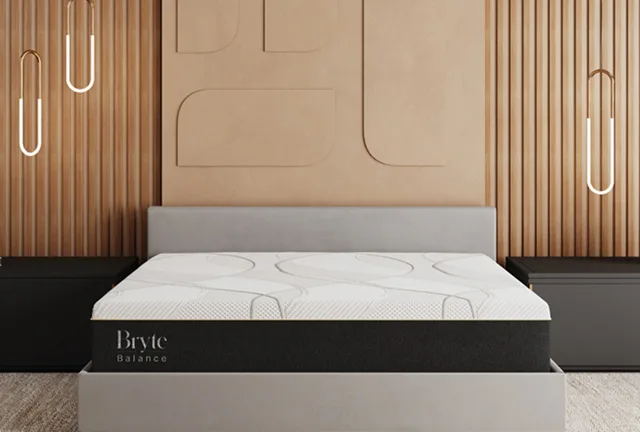
Shop Bryte Beds
From the Park Hyatt New York to Rosewood Miramar Beach, thousands of guests have experienced Bryte in the world’s top hotels—now it’s your turn.