For biohackers tracking HRV, recovery, and sleep architecture, Active Pressure Relief mattresses with real-time sensing and adjustment deliver measurable improvements that passive luxury mattresses cannot match. The distinction matters: clinical research shows 20% more REM sleep and 10% more deep sleep in athletes using pressure-relieving technology, while 72% of smart mattress adopters report better sleep within two weeks.
Your Oura Ring tracks sleep. Your Whoop monitors recovery. But the surface you spend 7+ hours on nightly? Most biohackers haven't applied the same data-driven methodology to their mattress that they apply to supplements, light exposure, and temperature protocols.
That's a problem. If your deep sleep has plateaued at 12-13% despite optimizing every other variable, the mattress may be the bottleneck your wearables can't diagnose.
What Is Active Pressure Relief? The Technology Category That Actually Matters
Active Pressure Relief combines real-time pressure sensing with real-time adjustment - and both components are required.
This definition disqualifies most "smart" mattresses on the market. A bed with app-controlled firmness settings isn't active - it's manually adjustable. The settings remain static until you wake up and change them. True Active Pressure Relief detects pressure accumulation at your hip at 2:47 AM and redistributes support within seconds, without requiring any action from you.
The "real-time" distinction is critical because pressure points develop dynamically. When you shift from back sleeping to side sleeping, different body regions contact the mattress, and pressure concentrations change. A system that adjusts hourly - or only when you manually intervene - cannot prevent disruptions that develop over minutes.
Three Metrics for Evaluating Active Mattress Quality
Any mattress claiming "active" or "responsive" technology should be evaluated against these criteria:
- Sound Level - Must operate silently. Audible pump sounds during adjustments create noise-based disruption while attempting to resolve pressure-based disruption. NapLab testing awarded Bryte 10/10 for minimal noise during pressure relief adjustments.
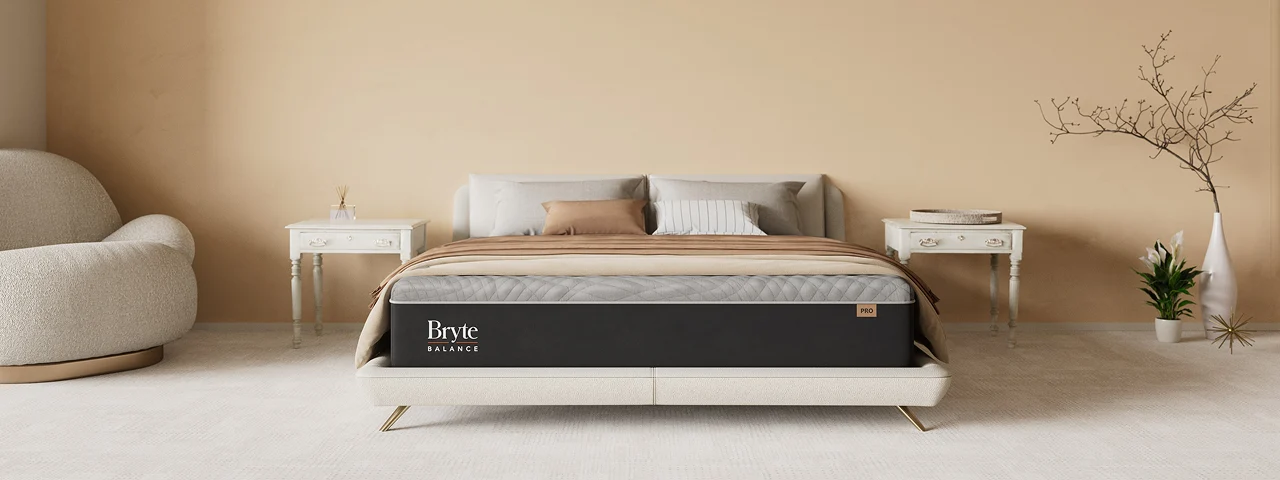
- Resolution - Number of independent adjustment zones. Low-resolution systems (single air bladder per side) cannot distinguish between shoulder pressure and hip pressure. Bryte's Adaptive Core contains up to 90 intelligent pneumatic Balancers organized into 16 independent zones (8 per sleeper) - precision that allows targeted correction without affecting support elsewhere.
- Response Time - Seconds, not hours. Systems that poll hourly and adjust gradually operate on a different timescale than sleep disruptions. Bryte adjusts within seconds of detecting pressure imbalances, with material response times of 0.3-1.0 seconds according to NapLab performance testing.
Why these metrics matter: A quasi-experimental study of 39 adults using pressure-relieving mattress technology showed significant improvements (p<0.05) in sleep duration, deep sleep, light sleep, and reduced time awake at night - along with better self-reported pain, stress, and daytime fatigue.
Clinical Validation: Peer-Reviewed Evidence for Sleep Stage Improvements
Pressure Relief and Sleep Architecture
Double-blind research quantifies the impact:
A 10-week study with 75 professional athletes using pressure-relieving mattress technology found:
- 20% increase in REM sleep (1.05 → 1.3 hours/night)
- 10% increase in deep sleep (2.15 → 2.375 hours/night)
These aren't subjective comfort improvements - they're measurable changes to sleep architecture that directly affect recovery capacity.
Pressure reduction data supports the mechanism: A study on 27 healthy volunteers found >30% reduction in heel and head peak pressure (p≤0.005) when comparing advanced mattress technology to standard surfaces.
Mattress-Based Sleep Tracking: How It Compares to Your Wearables
Biohackers with existing tracking setups legitimately question whether mattress sensors add value or create conflicting data. The validation evidence:
The takeaway: Mattress sensors achieve comparable or better accuracy than wearables for nighttime metrics. They capture data wearables can't - sleep position, pressure distribution, partner-separated metrics - while your Oura excels at daytime HRV and recovery readiness.
The biohacking community recognizes this complementary approach. As one user shared on r/Biohackers:
"I'm with you, and it's where my journey started prior to founding a neurotech/sleeptech start-up. To begin with, blue-light blocking is a scam, and has been disproven across multiple studies. Blue-light does delay melatonin release, but not significantly enough to delay sleep-onset in any measurable way. Magnesium isn't a magic pill. There was a great study out last week which showed sleep regularity (consistency) was a better measure of morbidity than sleep duration. Consistency is better than most hacks. Meditation, and of course, exercise and diet have a huge impact as well. Our work is specifically in the enhancement of sleep's restorative function, the neurological processes that make sleep beneficial. We've begun by targeting slow-waves, the hallmark of deep sleep. Manipulating restorative function often does not alter sleep time, so the measured changes are in HRV, cognitive function, and the subjective responses to sleep."
Active vs. Passive Technology: Matching Your Sleep Problem to the Right Solution
How These Approaches Differ
Passive mattresses (memory foam, latex, hybrids) contour by compressing under load. The material deforms uniformly to match body shape. This works well initially - but effectiveness diminishes as pressure accumulates throughout the night. Fully compressed foam provides reduced relief for subsequent position changes.
Active systems modulate support across independent zones. When pressure increases at your hip, the system can simultaneously increase firmness at supporting regions while decreasing firmness at the pressure point. Pneumatic systems maintain consistent capability regardless of sleep duration or position changes.
Decision Framework: Which Technology Addresses Your Problem?
The clinical evidence for active advantage: A Cochrane meta-analysis found alternating pressure (active) surfaces reduce pressure injury risk by 69% compared to standard foam - the same mechanism that prevents comfort-related sleep disruption.
Partner Sleep Optimization: The Data on "Sleep Divorce"
56% of couples are woken by their partner two or more nights per week. That's not occasional disruption - it's chronic sleep fragmentation affecting the majority of shared beds.
The consequences are significant enough that 31% of U.S. adults now practice "sleep divorce" - sleeping in separate beds or rooms. The rate hits 39% for the 35-44 age group.
This frustration resonates across the Reddit community. As one user explained on r/sleep:
"My husband and I have been married for 20 years. We have a great relationship. The last 5 we have had our own bedrooms. He likes to sleep with the TV on all night and a bright nightlight and a warm room. I like total darkness and total quiet and about 5 degrees cooler. We each just get better sleep on our own. (Occasionally we do "sleepovers" which just serves to remind us why we have separate bedrooms, lol!)"
Why Single-Variable Solutions Fall Short
Temperature control addresses one dimension of partner incompatibility. Partners also differ in:
- Firmness preference (body weight, sleep position, pain profiles)
- Motion transmission (one partner's movements waking the other)
- Wake schedules (alarm disruption)
Motion isolation data: NapLab testing measured Bryte at 5.98 m/s² acceleration for motion transfer - 32% less than the 8.78 m/s² average. The combination of foam comfort layers and independent air chambers minimizes cross-surface movement transmission.
Independent control architecture: Bryte's Dual Comfort Design allows each partner to independently set firmness (0-100 scale), run separate relaxation tracks, and view individual sleep data. Silent Wake Assist uses gradual motion to wake one partner without audible alarms.
Research on sleep concordance shows +8.4 points higher Sleep Fitness Scores for compatible partners - suggesting that reducing sources of incompatibility improves sleep quality for both.
ROI Framework: Is Premium Sleep Technology Worth the Investment?
The Economic Cost of Unoptimized Sleep
You're already paying for poor sleep - you just may not have quantified it.
- Workforce productivity loss: Sleep-deprived workers lose $1,967-$3,156 annually in productivity per person
- Athletic performance: -0.56 effect size from acute sleep deprivation on overall performance
- Absenteeism: Poor sleepers report 2.29 unplanned absent days/month vs. 0.91 for adequate sleepers
The broader Reddit community increasingly acknowledges these tradeoffs. As one user noted on r/LifeProTips:
"I have to 10000000x THIS! I went through my twenties not really caring where I laid my head. Fast forward to 5+ years into my career...I noticed my cognitive functionality was taking a minor hit, so...I invest in a new mattress, pillows, fancy sheets, and a few other amenities...Not only do I need less sleep, I now get up without an alarm typically 2 hours before said alarm would even go off, and the amount of energy I have is never ending! I've also been able to cut my coffee habit from a pot a day, to 2.5 cups a day!"
Per-Night Cost in Context
The framing matters: $5,999 triggers large-purchase anxiety. $1.64/night - less than a coffee - activates different spending psychology.
Who Should (and Shouldn't) Invest in Active Pressure Relief
Consider Active Pressure Relief if:
- Sleep efficiency consistently below 85%
- Deep sleep percentage below 15% despite other optimizations
- Frequent micro-awakenings detected by wearables
- Morning pain scores above baseline
- Partner disruption affecting sleep quality
- Performance-dependent profession (executive, athlete, surgeon, trader)
A quality passive mattress may represent better value if:
- Existing sleep data shows healthy architecture (>20% deep sleep, >85% efficiency)
- Primary concerns are material feel/preference rather than disruption
- No partner compatibility issues
- Budget constraints with lower performance stakes
For those tracking with wearables, the data tells the story. As one Whoop user shared on r/whoop:
"My sleep debt is usually 0. I notice a huge difference between 85% sleep and 100% sleep. That said, even when I get 100% sleep, I wake up groggy. If you wake up buzzing and can't wait to get up and out, I wouldn't worry about the sleep debt."
Durability Reality: Electronics vs. Materials Lifespan
The Honest Assessment
Smart mattress buyers should understand different durability timelines:
The degradation scenario: If smart features fail while the mattress remains comfortable, you retain a high-quality passive mattress. The foam, cover, and physical structure provide comfort independent of electronics. This isn't complete mattress failure - you lose active functionality but keep the premium sleep surface.
Software dependency consideration: Smart features depend on manufacturer software support. Bryte OS provides over-the-air updates - a benefit when updates add features, but worth considering for long-term ownership.
Trial period risk mitigation: The 100-night sleep trial allows real-world validation before commitment. Run your own n=1 experiment: compare Bryte data against your Oura nightly, track whether deep sleep percentage improves, measure whether morning HRV trends upward.
Frequently Asked Questions
How accurate is smart mattress sleep tracking compared to Oura?
Mattress-based and wearable tracking achieve similar accuracy for sleep staging - both around 79-83% versus PSG gold standard. Mattress sensors reach 99% accuracy for heart rate (vs. ECG) and capture data wearables can't: sleep position, pressure distribution, and partner-separated metrics.
Is Active Pressure Relief worth the price for sleep optimization?
It depends on your baseline metrics and sleep issues. Worth it if:
- Deep sleep plateaued below 15%
- Frequent micro-awakenings
- Partner disruption
- Performance-dependent income
Not worth it if your sleep architecture is already healthy and you have no pressure-related complaints.
How long do smart mattress electronics last?
Electronic components typically last 5-7 years; foam and materials last 10+ years. Bryte's warranty reflects this: 10 years on foams/fabrics, 4 years prorated on electronics. If electronics fail, the bed functions as a premium passive mattress.
What's the difference between Active Pressure Relief and adjustable firmness?
Active Pressure Relief adjusts automatically in real-time; adjustable firmness requires manual changes. Active systems detect pressure accumulation and correct within seconds without waking you. Adjustable firmness stays static until you change settings via app.
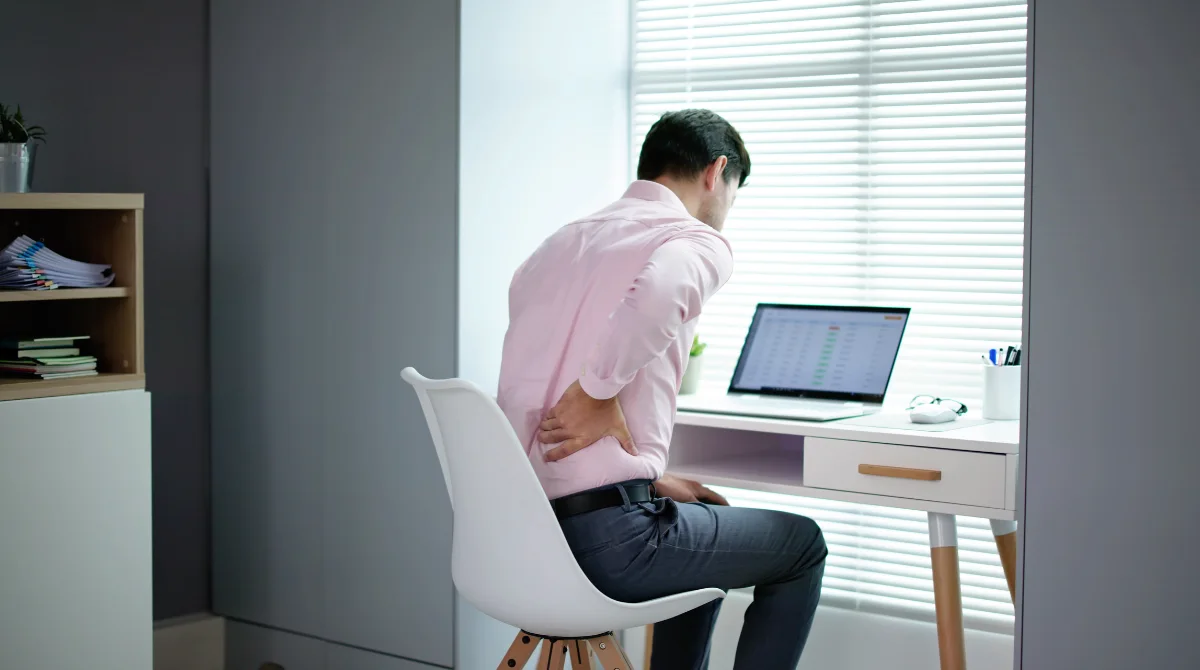
Can a smart mattress help with back pain and recovery?
Clinical evidence supports pressure relief for pain reduction. Studies show >30% reduction in peak pressure points and significant improvements in pain scores. Athletes using pressure-relieving technology gained 20% more REM and 10% more deep sleep - the stages critical for tissue repair and growth hormone release.
How does Bryte's resolution compare to other smart mattresses?
Bryte uses up to 90 independent Balancers across 16 zones (8 per sleeper) - significantly higher resolution than single-bladder systems. Higher resolution means the mattress can distinguish between shoulder pressure and hip pressure, adjusting each independently rather than changing overall firmness.
Will a smart mattress conflict with my Oura Ring data?
They capture complementary data, not conflicting data. Use Oura for daytime HRV, recovery readiness, and sleep staging. Use mattress sensors for positional data, pressure patterns, and partner-separated metrics your wrist device can't detect.
The Bottom Line
For biohackers who've optimized temperature, light exposure, and sleep timing but hit a plateau, the mattress may be the largest unaddressed variable in your sleep stack.
Active Pressure Relief - defined as real-time sensing combined with real-time adjustment - addresses pressure-based sleep fragmentation that passive materials cannot resolve over the course of a night. The clinical evidence supports specific, measurable improvements: 20% more REM, 10% more deep sleep, 72% of adopters reporting better sleep within two weeks.
Bryte's product portfolio represents this approach at its highest resolution - up to 90 Balancers providing silent, second-response adjustments across 16 independent zones. For data-driven optimizers whose sleep issues involve pressure accumulation, partner incompatibility, or recovery limitations, the evidence supports measurable benefit.
At $1.64/night over a 10-year lifespan, the investment sits below your daily supplement spend. The 100-night trial lets you run your own experiment - track your metrics, compare against your existing data, and make the decision based on evidence rather than your assumptions.
That's how a biohacker would approach it anyway.
Shop Bryte Beds
From the Park Hyatt New York to Rosewood Miramar Beach, thousands of guests have experienced Bryte in the world’s top hotels—now it’s your turn.