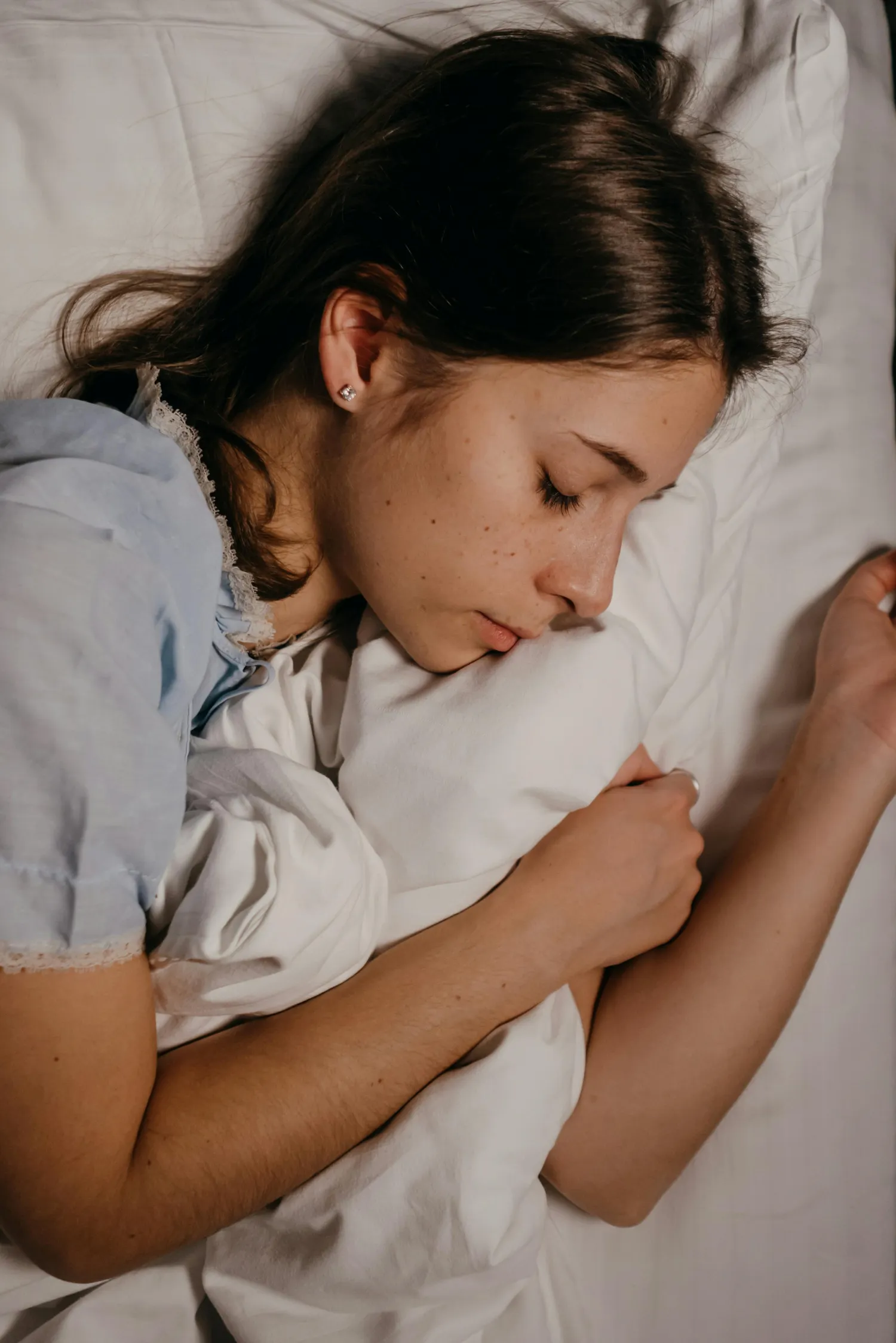
Sleep latency is the time from intending to sleep to actually falling asleep.
This metric matters more than most sleepers realize. A meta-analysis of 4,058 healthy adults found an average sleep latency of 11.7 minutes on clinical sleep testing. Yet 14.5% of American adults report trouble falling asleep most days or every day. Globally, insomnia affects 852 million adults—16.2% of the population.
Observational studies have found that individuals with sleep latency exceeding 30 minutes showed 4.5 times higher odds of poor self-rated health. The combined costs of insomnia in the U.S. exceed $100 billion annually.
What's driving these numbers? Three mattress-related factors create distinct physiological pathways to delayed sleep onset: support and spinal alignment, surface pressure distribution, and thermophysiological interaction with the sleep environment. Each operates through specific mechanisms—and each can be addressed.
How Mattress Design Affects Sleep Latency: Three Mechanisms
Mattress features influence sleep onset through identifiable physiological pathways. Understanding these mechanisms explains why generic "comfortable mattress" advice fails so many people.
1. Firmness → Spinal Alignment → Muscle Tension → Arousal
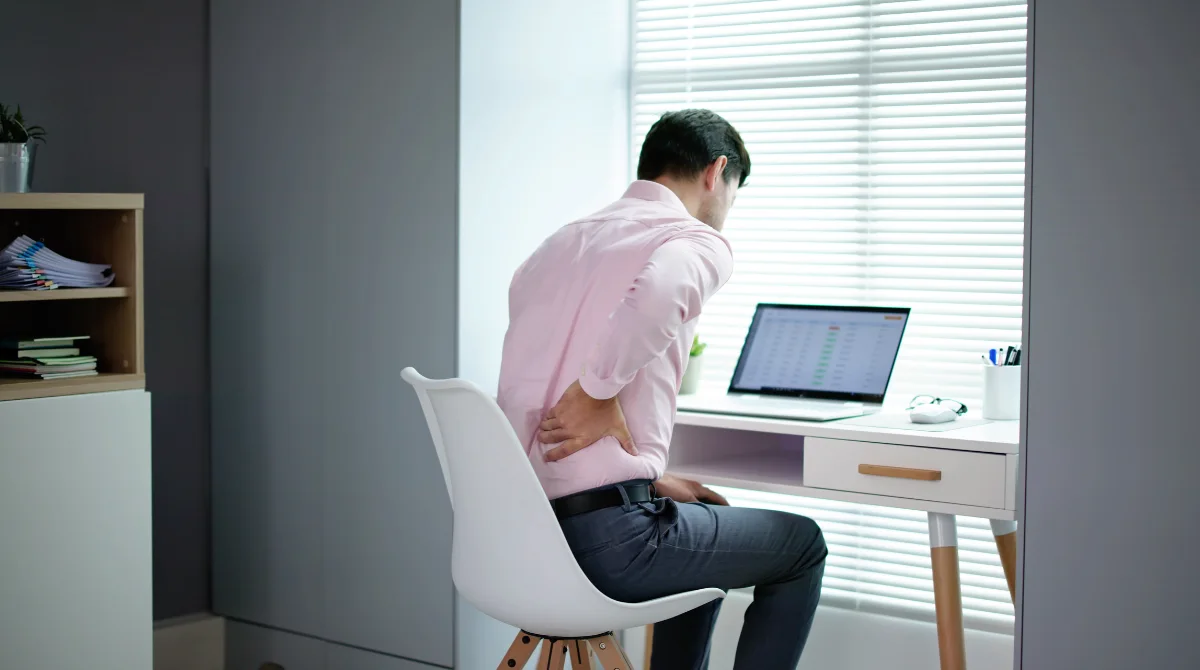
When spinal alignment is suboptimal, some individuals experience increased muscular tension and discomfort, which may contribute to heightened arousal that interferes with falling asleep.
2. Pressure Distribution → Pain Signals → Arousal Threshold
Concentrated pressure at shoulders, hips, or sacrum compresses tissues and restricts blood flow. The body responds with position-change urges that maintain motor planning activity incompatible with sleep onset.
Each pathway operates independently. A sleeper with optimal spinal alignment may still experience extended latency from heat retention. Someone in an otherwise neutral sleep environment may still lie awake due to pressure accumulation at the hips. This multi-factorial reality explains why single-variable solutions—a cooling topper, a firmer mattress—often produce inconsistent results.
Does Mattress Firmness Affect Sleep Latency?
Yes. In controlled sleep laboratory studies, medium-firm mattresses were associated with shorter average sleep latency compared to softer surfaces.
Polysomnography data revealed sleep latency of 7.71 minutes on medium-firm mattresses versus 12.42 minutes on soft mattresses—a statistically significant difference with a partial effect size of 0.26. The medium-firm surface also produced higher sleep efficiency and increased spindle activity.
The mechanism involves spinal alignment and musculoskeletal discomfort. A systematic review found medium-firm mattresses led to 55% improvement in sleep quality and 48% decrease in back pain after 28 days. These improvements correlated with reduced stress markers and persisted for 5-6 months.
Actigraphy research confirmed the connection: the bed producing lowest overnight motion—indicating fewer discomfort-driven position changes—ranked best for sleep quality and restedness.
Why "Medium-Firm" Fails Many Individuals
The 7.71-minute finding represents a population average. Individual results vary based on three factors:
Body weight: Research shows higher body weight individuals achieve more neutral spinal alignment on firmer mattresses, while lower body weight individuals align better on softer surfaces.
Hip circumference: Larger hip circumference produces greater spinal deviations on softer mattresses, requiring firmer support for proper alignment.
Sleep position: Side sleepers need pressure relief at shoulders and hips. Back sleepers need lumbar support. Stomach sleepers require firmer support to prevent excessive spinal extension. Most people change positions throughout the night.
A single firmness rating cannot accommodate all positions for all body types. The mattress that felt perfect during a showroom test may feel inadequate three hours into actual sleep, when accumulated pressure at the hips triggers position-change urges.
This real-world complexity is reflected in user experiences. As one user shared on r/IsItBullshit:
"I have severe back problems (have had 3 surgeries) and have severe pain if I sleep on a firm mattress. My husband has severe back problems and has severe pain if he sleeps on a soft mattress. I think it just depends on the individual."
How Body Temperature and the Sleep Environment Affect Sleep Latency
In experimental sleep studies manipulating thermal conditions, researchers observed reductions in sleep onset latency compared to warmer baseline conditions.
Sleep initiation requires the body's core temperature to drop 1-2°F. This cooling process—controlled by the suprachiasmatic nucleus—involves vasodilation that moves heat from the core to the skin surface. The ideal bedroom temperature is 65°F (18.3°C), but the sleep surface interacts with the body’s thermoregulation and can influence perceived heat dissipation.
Research comparing mattress surface temperatures found sleep latency was longer at 32°C compared to 30°C, with subjective sleep satisfaction significantly lower at 32°C. Participants also reported more frequent awakenings at the higher temperature.
Pressure Distribution and the Arousal Threshold
Concentrated pressure at vulnerable points generates discomfort signals that prevent sleep transition.
When body weight concentrates over small surface areas, pressure compresses tissues and restricts blood flow. The brain responds with position-change urges that maintain motor planning activity—a state incompatible with sleep onset. This pressure-to-arousal pathway often operates below conscious awareness. The sleeper may not identify "my hip hurts" but simply experiences difficulty falling asleep.
The relationship between pain and sleep disruption is well documented:
- 58.7% of patients with low back pain report sleep disturbance
- Each 1-point increase in pain intensity raises likelihood of sleep disturbance by 10%
- 23% of chronic pain patients have a diagnosed sleep disorder versus 6% of pain-free individuals
Pressure mapping research quantified material differences. Latex mattresses reduced peak body contact pressure by up to 35.1% compared to polyurethane foam, with 96.1% low-pressure regions versus 91.8% for foam.
But static materials provide fixed pressure characteristics. A surface optimized for side sleeping may not adequately support back sleeping. The same firmness that relieves hip pressure in a lightweight sleeper may be insufficient for someone heavier. Pressure tolerance thresholds also vary by night—inflammation, muscle soreness, and stress-related tension all lower how much pressure the body can tolerate before discomfort prevents sleep.
Why Sleep Latency Varies Night to Night
56% of people experience high sleep onset variability—and this variability correlates with worse health outcomes.
Research found 56% of study participants had sleep onset time variability of 60 minutes or more (standard deviation). High variability correlated with more wake time after sleep onset and more nighttime movement.
The degree of nightly fluctuation is substantial. Analysis of 592 normal sleepers found within-person night-to-night differences generally exceeded between-person differences. Your own variability from Monday to Tuesday often exceeds the difference between you and your neighbor.
This variability carries health consequences. Each 1-hour increase in sleep onset variability raised odds of metabolic syndrome by 1.23 compared to variability under 30 minutes.
What Causes Night-to-Night Variation
Daily factors alter the body's state each night:
- Stress levels fluctuate based on work and life events
- Physical activity affects muscle tension and inflammation
- Meal timing influences circadian physiology
- Alcohol consumption disrupts normal thermophysiological processes
- Hormonal fluctuations alter heat production and pressure tolerance
A firmness level that felt comfortable after a rest day may feel inadequate after intense exercise. The mattress optimized for your calm Tuesday physiology may not match your stressed Wednesday state.
This is the fundamental limitation of static mattress selection: it assumes a consistent body state that doesn't exist.
How Stress Physically Prevents Sleep
Stress activates a neurochemical cascade that overrides physical comfort.
The connection between stress and extended sleep latency operates through identifiable pathways. Acute psychosocial stress activates the hypothalamic-pituitary-adrenal (HPA) axis, triggering cortisol release. Some studies show that cortisol levels increased significantly 10 minutes after stress exposure, and this elevation prolonged cortical arousal and delayed sleep onset.
Sleep reactivity—individual vulnerability to stress-induced arousal—varies among individuals. Research found high-reactivity individuals showed longer sleep latency (13 min vs. 11 min), lower sleep efficiency, and more wake time. Sleep reactivity involves autonomic dysregulation that overrides homeostatic sleep drive.
This explains a common frustration: the mattress feels comfortable, the room is cool, yet sleep won't come. Stress-related cortical activation keeps the brain in a state incompatible with sleep transition. The physical environment is optimized. The neurochemistry isn't.
Interventions That Cross the Mind-Body Barrier
Behavioral interventions targeting psychological arousal produce measurable latency reductions:
Breathwork: In a small intervention study, participants practicing structured breathing combined with sound therapy showed reduced mean sleep latency from 38.5 minutes to 18.7 minutes—nearly 50%—following a 10-day intervention. Natural frequency deep breathing showed significant improvements in sleep latency and quality through slow, deep breathing patterns. (Notably, forced deep breathing actually increased latency by about 5 minutes—the specific approach matters.)
Meditation: Meta-analysis of mindfulness interventions showed moderate evidence for improving sleep quality with effect sizes of 0.33.
Rocking motion: A study of 60 participants found statistically significant decrease in latency for entering N2 sleep with a rocking bed. Medium intensity rocking produced faster delta power buildup in the first 15 minutes after sleep onset.
These findings suggest a category of intervention that pure mattress optimization cannot reach: the psychological dimension of sleep onset.
How Partners Affect Each Other's Sleep Onset
Bed-sharing introduces factors beyond individual mattress preferences.
Emotional contagion: Studies have observed associations between partner anxiety levels and longer sleep latency in couples. Men had longer sleep latency when their partners reported higher anxiety symptoms, and women experienced the same pattern.
Conflict effects: Fighting behavior explained 38% of variance in sleep quality among couples studied.
Motion transfer: Couples showed greater discrete movements when sleeping together versus alone. Female partners reported more disturbances from movement than males.
Physiological differences: One partner experiences higher heat sensitivity, the other lower. Shared sleep environments often force compromise that satisfies neither.
Yet partner presence also provides benefits. Individuals with regular partners fell asleep 10.5 minutes faster than those with casual partners—a difference exceeding typical insomnia-healthy differences on clinical testing.
What Couples Need for Independent Sleep Optimization
Traditional mattress selection forces couples into compromise that leaves both partners suboptimal. Dual-zone independence addresses this zero-sum problem:
- Independent firmness control for each side (each partner's weight, position preference, and pain issues differ)
- Independent comfort and support tuning to accommodate divergent physiological needs
- Motion isolation (movement on one side shouldn't transfer)
- Independent wake systems (one partner's alarm shouldn't disrupt the other)
The challenge of couples with different firmness needs is a common theme in mattress discussions. As one user described on r/Mattress:
"Split king!! That's what we do. I'm female 125lbs and my partner is male 172lbs. It's made a massive difference to my quality sleep, I sleep like an angel now!!! ... He sleeps amazing and so do I!!! ... Sleep is super important to your physical health, mental health, and relationship health. I never ever wake up sore at all anymore, it's the best!! I hated our previous mattress I couldn't sleep and was sore all the time, which took a toll on my mental health too and the relationship. I was cranky like all the time."
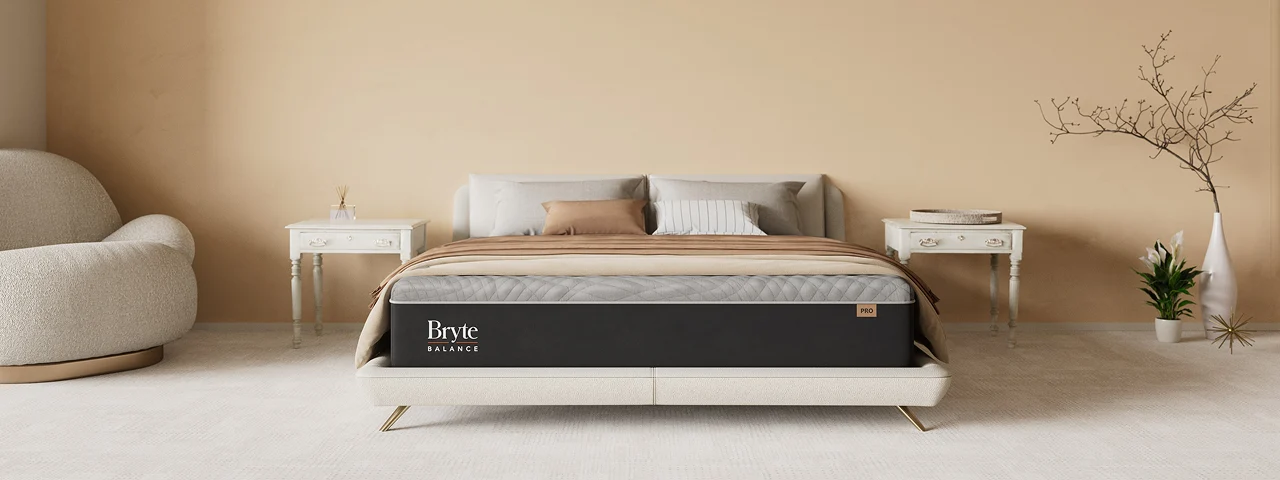
Bryte's Dual Comfort Design implements independence across these dimensions. Each partner controls their side's firmness on a 0-100 scale through 8 independent zones (16 total across the bed's 90 Bryte Balancers). The Silent Wake Assist uses gradual motion to wake one partner without an audible alarm. Each partner views their own sleep data and can run their own relaxation programs.
How Adaptive Sleep Technology Addresses Latency Factors
Static mattresses assume consistent needs. Adaptive systems like Active Pressure Relief respond to changing conditions.
The multi-factorial nature of sleep difficulties is well understood by those who have struggled with them. As one hot sleeper shared on r/BuyItForLife:
"Memory foam is the enemy. It traps heat like nobody's business, and all the 'cooling gels/layers/etc.' spiels are mostly bullshit. They keep you cool enough to fall asleep, then it's back to overheating. Avoid memory foam mattresses and hybrids. It's difficult to find mattresses without a little bit of memory foam these days, but you'll want an innerspring. If you are on the heavier side, that is also very likely affecting you, as the more you sink into the mattress, the more heat gets trapped."
Disclosure: The following section describes features of Bryte products as an example of adaptive sleep technology. Performance and outcomes may vary by individual and usage conditions.
Bryte's Active Pressure Relief continuously monitors pressure patterns through the Adaptive Core's 90 pneumatic Balancers and makes silent, automatic firmness adjustments. The system doesn't require perfect self-diagnosis—it responds to what it detects. BryteWaves addresses the psychological dimension by combining gentle rhythmic motion with curated audio (nature sounds, guided meditation, breathwork tracks in PRO models).
The distinction matters because sleep latency is multi-factorial and variable. A system addressing firmness, temperature, pressure, and psychological arousal reduces the risk of optimizing the wrong variable.
Frequently Asked Questions
What is normal sleep latency?
Normal sleep latency for healthy adults is 10-20 minutes. Under 8 minutes may indicate excessive sleepiness or sleep disorders like narcolepsy. Consistently taking longer than 30 minutes to fall asleep is commonly used in sleep research as a marker of sleep onset difficulty, but diagnosis requires clinical evaluation.
Why does it take me so long to fall asleep?
Extended sleep latency typically results from one or more of three factors: inappropriate mattress firmness causing spinal misalignment and muscle tension, or psychological arousal from stress maintaining cortical activity incompatible with sleep transition.
Does mattress firmness really affect how quickly I fall asleep?
Yes—by nearly 5 minutes in research. Medium-firm mattresses produced 7.71-minute average latency versus 12.42 minutes on soft mattresses. The mechanism involves spinal alignment: when the spine is unsupported, muscles engage to compensate, generating discomfort signals that maintain arousal.
Why does my sleep latency vary so much night to night?
56% of people experience high night-to-night variability. Daily factors—stress levels, physical activity, meal timing, alcohol, hormonal fluctuations—alter the body's state each night. A static mattress setting cannot adapt to these changing conditions.
Do smart mattresses actually help with falling asleep faster?
Adaptive systems address limitations of static mattresses: real-time pressure adjustment responds to position changes and accumulating discomfort, and integrated relaxation features target psychological arousal that physical comfort alone cannot address. The multi-factor approach reduces risk of targeting the wrong variable.
What should couples look for in a mattress for better sleep latency?
True dual-zone independence across firmness, temperature, motion isolation, and wake timing. Each partner's weight, position preference, temperature needs, and schedule differ. Systems allowing 0-100 independent firmness control, separate relaxation programs, and silent individual wake features eliminate the compromise that leaves both partners suboptimal.
Key Takeaways
Sleep latency is measurable and influenced by multiple modifiable and non-modifiable factors. Normal range is 10-20 minutes; over 30 minutes indicates a problem worth addressing.
Two main mattress design factors create distinct physiological pathways to delayed sleep onset:
- Firmness affects spinal alignment → muscle tension → arousal signals
- Pressure distribution affects pain signals → arousal threshold
Night-to-night variability is the norm, not the exception. 56% of people experience high variability, and within-person differences often exceed between-person differences. Static mattress settings assume consistent needs that don't exist.
Psychological arousal requires its own intervention. Stress-induced cortisol elevation overrides physical comfort. Breathwork and rocking motion have demonstrated 50% latency reductions in research.
Adaptive systems address what static mattresses cannot: real-time response to changing pressure, temperature, and position; AI learning of individual patterns; and integrated relaxation features for the psychological dimension.
For research-oriented sleepers tracking time-to-sleep and seeking clear mechanisms, the path forward involves matching interventions to pathways. If firmness seems variable, adaptive pressure response addresses it. If stress predicts extended latency, integrated relaxation features address it. And if the answer is "all of the above"—which it often is—systems addressing multiple factors simultaneously reduce the diagnostic burden.
Important Notice
Some user quotes included in this article reflect personal experiences shared online. These examples are anecdotal and should not be interpreted as scientific evidence.
This content is provided for educational purposes only. Sleep latency concerns may have multiple causes, including medical conditions. Persistent difficulty falling asleep should be discussed with a healthcare provider.
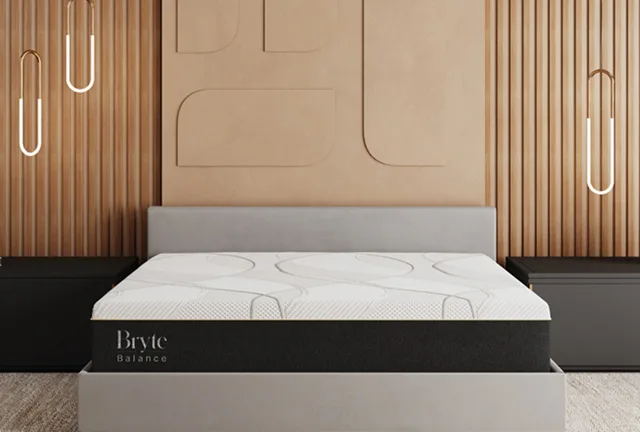
Shop Bryte Beds
From the Park Hyatt New York to Rosewood Miramar Beach, thousands of guests have experienced Bryte in the world’s top hotels—now it’s your turn.