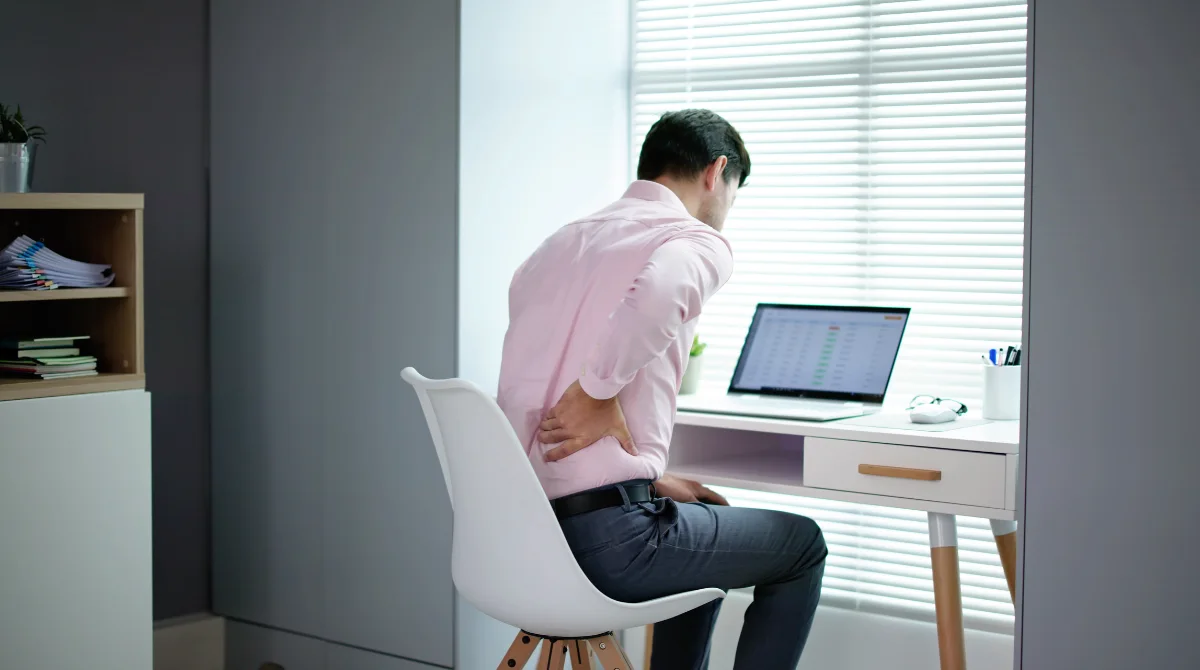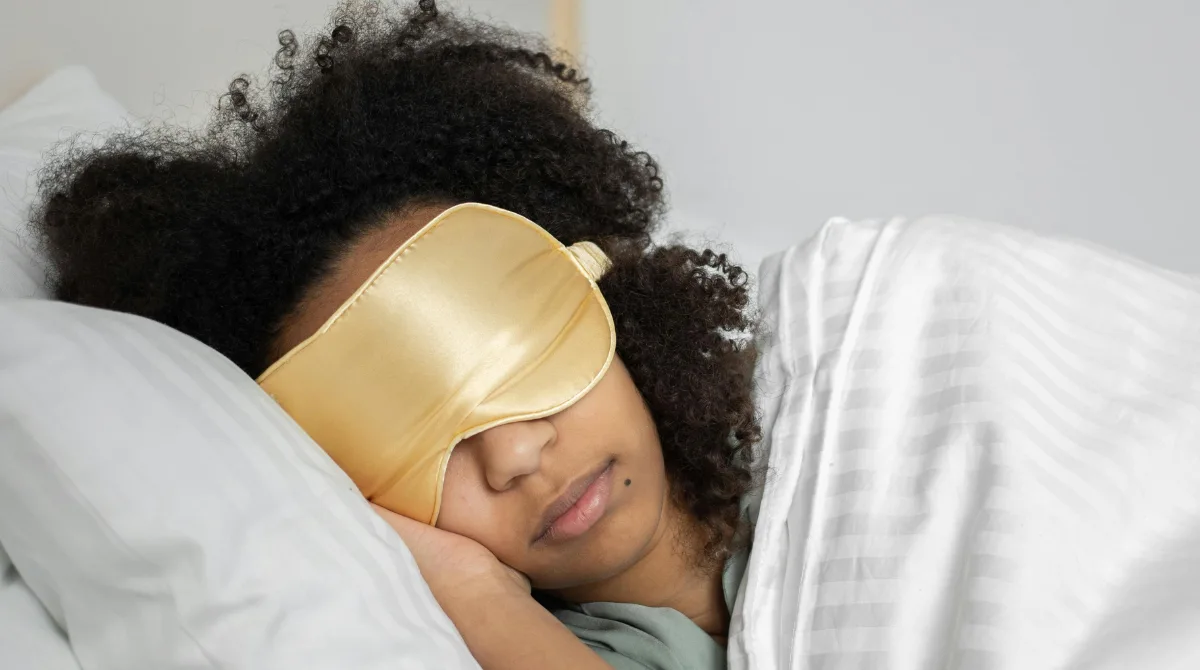
People with insomnia often focus on routines, stress, and light exposure first - but the sleep surface can matter too, especially when pressure, heat, motion, or repeated repositioning keep interrupting the night.
The best mattress for insomnia is usually one that offers stable support, moderate contouring, and good temperature regulation rather than an overly plush or overly rigid feel.
For many sleepers, that points to a medium-firm hybrid, responsive latex, or a pressure-relieving foam hybrid. And for people whose comfort needs shift over the course of the night, a smart mattress may be relevant because it can adjust support over time instead of staying fixed in one feel.
The best mattress type for insomnia in 2026:
- Best overall: medium-firm hybrid or adjustable smart mattress
- Best for cooling: latex or breathable hybrid
- Best for pressure relief: foam hybrid or active-adjusting smart mattress
- Best for motion isolation: foam hybrid or dual-zoned smart mattress
- Best for changing needs overnight: adaptive smart mattress
Your body's needs at 10 PM differ dramatically from its needs at 3 AM. Throughout the night, you cycle through sleep stages, shift positions, and experience muscle relaxation that changes how your body interacts with the mattress surface. A static mattress - no matter how well-designed - is optimized for the moment you lie down, not for hour six.
This explains the paradox chronic insomnia sufferers know well: a mattress that feels perfect at bedtime somehow contributes to wakeups hours later.
The 30 mmHg Pressure Threshold
Clinical research on pressure injury prevention suggests that sustained high pressure at contact points can reduce local circulation. While these thresholds were developed for medical care settings, they illustrate how prolonged pressure may contribute to discomfort and movement during sleep.
According to research published in PMC, when pressure exceeds this threshold at contact points (hips, shoulders, heels), your body responds by shifting position or waking briefly to restore circulation.
The challenge: static mattresses may stay below 30 mmHg initially but exceed it as the night progresses. Body weight redistributes during sleep. Muscles relax more deeply. Positions that initially spread weight across a broad surface shift to concentrate pressure at fewer points.
For people with sleep difficulties, repeated brief awakenings or frequent position changes can reduce restorative deep sleep.
The Pain-Insomnia Cycle
The relationship between chronic pain and insomnia runs both directions. Research documented in PMC found that 85% of patients with chronic musculoskeletal pain experience clinical insomnia. But here's what matters: the shared variance between pain intensity and insomnia was only 3.6%. Insomnia persists as an independent condition even when pain is managed.
Further research shows long-term poor sleep increases chronic pain risk (RR 2.09 for widespread pain). This bidirectional independence means mattress selection must address both pressure and insomnia separately—a surface that reduces pressure points won't automatically resolve sleep maintenance problems.
What Clinical Research Shows About Mattress Firmness
Medium-firm mattresses have shown favorable results in studies examining sleep comfort, stability, and sleep efficiency, which may be relevant for people with sleep maintenance concerns.
A 2025 polysomnography study found:
Sleep spindles—brief bursts of brain activity during N2 sleep—are associated with sensory suppression that prevents arousal.
Fewer sleep stage transitions indicate more stable, continuous sleep architecture—directly relevant for maintenance insomnia.
Memory Foam vs. Latex vs. Hybrid: The Insomnia-Specific Evidence
Pressure Distribution by Material
Research published in PMC found latex mattresses reduced peak body pressure by up to 35.1% on torso and buttocks compared to standard polyurethane foam. Latex achieved 96.1% of contact areas in the low-pressure category versus 91.8% for polyurethane foam.
Material Comparison for Insomnia
Sleep Foundation testing of Tempur-Pedic memory foam assigned 8.5/10 for pressure relief but only 5.5/10 for temperature regulation. Common complaints: sleeping hot and difficulty changing positions.
The difficulty repositioning on memory foam is a significant concern for those who need to change positions throughout the night. A professional mattress tester addressed this on r/IAmA:
"Is there anything in the pipeline that will help with memory foam being so damn hot? Even those with cooling gel and other random stuff only seems to cool it from 1000 hells to 960 hells of heat. Follow up, what's the best non-Memory foam mattress (semi-firm, good for back/hip pain when waking up)?"
Critical gap: No peer-reviewed studies from 2023-2025 have quantified effects of specific mattress materials on sleep onset latency, wake after sleep onset, or total sleep time for diagnosed insomnia patients. Available clinical data addresses pressure distribution and firmness but stops short of material-specific insomnia outcomes.
The Static vs. Active Framework: Three Categories
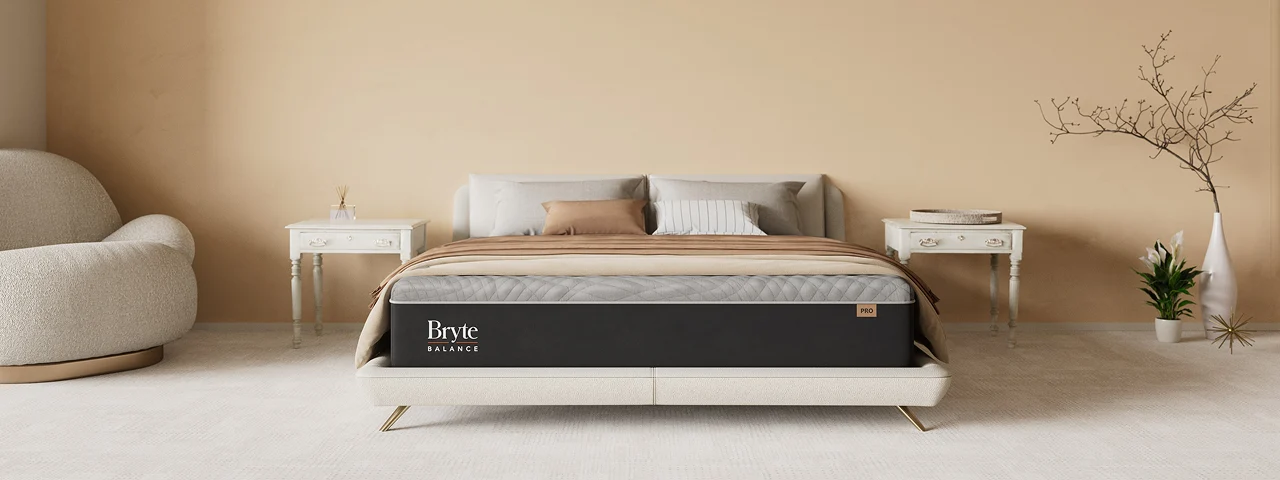
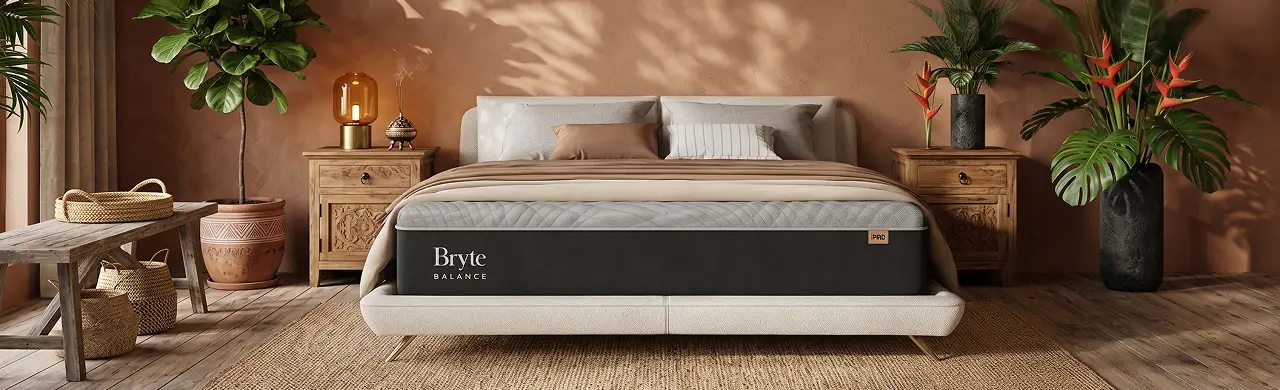
The fundamental challenge of mattress selection for insomnia sufferers often comes down to Active Pressure Relief. Only a system like the Bryte Smart Bed that actively senses and removes pressure points can maintain consistent comfort for eight hours.
Some sleepers report deeper compression in memory foam over time, which can affect perceived support depending on body weight and sleep position.
As one Reddit user explained their experience on r/BuyItForLife:
"My recommendation is avoid memory foam mattresses. I bought one while I was single and when I met my partner both her and I would always wake up sore from trying to avoid rolling into the divot left by years of me sleeping directly in the middle. No amount of rotating the mattress ever fixed it. She also had a memory foam mattress at her place and although hers sagged less it was still an issue. First thing we did when we moved in together was go mattress shopping. We ended up buying an old school pocket coil mattress, and got a new bedframe with strong straight slats (rather than the ikea style curved slats.) We probably spent a good 2-3 hours laying on mattresses before deciding on one we both liked. The best part is because it's an old school style it's built to last, and completely flippable which is hard to find these days. I always used to wake up with small little pains in my back and shoulders and it's all completely disappeared with this new mattress and frame."
Reader Notice
This article includes anecdotal examples from individuals discussing insomnia and sleep experiences online. These examples illustrate personal experiences and should not be interpreted as medical evidence.
The information provided is for educational purposes only and does not replace professional diagnosis or treatment. Chronic insomnia should be evaluated by a licensed sleep specialist or healthcare provider.
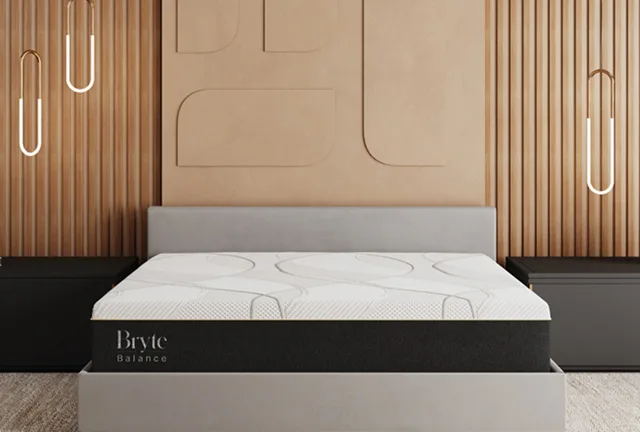
Shop Bryte Beds
From the Park Hyatt New York to Rosewood Miramar Beach, thousands of guests have experienced Bryte in the world’s top hotels—now it’s your turn.