Luxury hotels primarily use mattresses from four major manufacturers: Stearns & Foster (Ritz-Carlton), Simmons (Four Seasons, Marriott), Serta (Hilton), and Sealy (Fairmont). These "S Brands" dominate hospitality because they deliver commercial-grade durability, custom specifications at scale, and consistent quality across thousands of properties.
But here's what most hotel mattress guides won't tell you: the mattress you sleep on at the Four Seasons isn't the same one you can buy from their retail program. And that exceptional hotel sleep you're chasing? Research shows only 22% of guests attribute it to the mattress itself.
Quick Reference: Which Hotel Uses Which Mattress
The S Brands: Why These Four Dominate Luxury Hospitality
Sealy, Simmons, Serta, and Stearns & Foster supply over 80% of luxury hotel mattresses worldwide. Their dominance comes from three factors hotels prioritize above individual sleep optimization:
- Commercial durability: Testing to 20,000–30,000 compression cycles
- Scale capacity: Ability to deliver thousands of identical units globally
- Fire code compliance: Meeting strict TB117/TB133 commercial standards
These brands build mattresses for hotel operations, not individual sleep needs. That distinction matters more than most shoppers realize.
As one mattress industry insider shared on r/Mattress:
"as someone who has had a family mattress business for half a century I have never been to a hotel where the mattresses felt good by any means... I would not say by any means they get a 'Commercial grade' mattress. In my experience 'hotel' collections tend to be a cheaper alternative to companies classic lines as the companies are buying in bulk and need to eliminate some features to fit in a budget. Often times they do get firmer beds then usual because its a lot easier to soften them up for most guests, but in reality they are just a pretty typical above average mattress, which is usually about 10x better quality then what people are buying today. The bed in a box industry has lowered the bar so low that no one actually has a great bed anymore."
A Shift Is Happening: Luxury Hotels Adopting Smart Sleep Technology
While Sealy, Simmons, Serta, and Stearns & Foster dominate legacy hospitality supply chains, a growing number of ultra-luxury and performance-driven hotels are integrating smart sleep systems to differentiate the guest experience.
Notable properties using Bryte’s Active Pressure Relief technology include:
- Rosewood Miramar (Montecito)
- The Little Nell (Aspen)
- Park Hyatt New York
- Shangri-La Signature (Hangzhou, China)
- Carillon Wellness Resort Miami
These properties represent a different philosophy: not just durability and standardization - but measurable performance, personalization, and sleep optimization.
This marks a structural shift in hospitality strategy. Rather than optimizing for “broad acceptability,” these hotels are optimizing for restorative sleep as a competitive differentiator.
Why 70% of Luxury Hotels Choose Hybrid Construction
According to the International Sleep Products Association, 70% of luxury hotels use innerspring or hybrid systems, with hybrids accounting for 45% of new 5-star installations since 2020.
Hotels prefer hybrids for operational reasons:
- Edge support and longevity: Coil-foam combinations last longer under heavy use
- Breathability: Better airflow than all-foam in high-occupancy settings
- Commercial warranties: 10+ years for properly maintained units
Top-tier specifications typically include 1,000+ coil counts, gel-infused foams, and 14–16 inch profiles. According to Serta's hotel division, 80% of properties like Four Seasons and Waldorf Astoria specify these premium hybrid builds.
The Medium-Firm Standard: Optimized for Nobody in Particular
62% of 5-star hotels use medium-firm mattresses (6.5/10 firmness). Only 15% opt for plush or firm extremes, according to the American Hotel & Lodging Association.
This isn't about sleep science - it's about operational simplicity. Hotels choose medium-firm because it satisfies the broadest range of guests, not because it optimizes sleep for any individual.
The consequence: if your preferred firmness differs significantly from 6.5/10, you may be among the 34% of travelers who report poor hotel sleep despite the premium bedding.
Commercial vs. Retail: You're Not Buying What's in the Room
The retail hotel mattress you can purchase is not identical to the commercial version in hotel rooms. Key differences:
Hotels negotiate volume discounts, purchasing thousands of units at wholesale pricing. Consumers pay retail markup for a de-specced version designed for residential rather than commercial use.
That 15% padding difference matters. Commercial mattresses maintain consistent comfort longer because extra material buffers against the compression and body impressions that develop over time.
One Redditor who purchased a Westin Heavenly Bed shared their disappointing experience on r/Mattress:
"Don't buy one!! I bought one two years ago through the Westin store. After about 9 months, there was a huge hump in the middle and big valleys on the side. I'm only 135 lbs so you can't blame it on being a big person. I filed a claim because it was still under warranty. I had to provide a bunch of pictures of it sagging. They finally replaced it for me. About 9 months later on the replacement, I'm getting the same problem!! This one didn't come with a warranty though 👎👎 Now I'm looking at buying a new bed where we can adjust the firm/softness. I'm pretty pissed. It was very comfortable when we first got it but didn't feel exactly like the Westin hotel's beds. I slept in one a month ago and it felt nothing like the 1 year old Heavenly Bed I have at home."
Why Hotel Beds Feel Better: The 68/22 Split
A 2025 Hilton guest survey of 10,000+ respondents found that 68% attributed superior comfort to the "bedding ensemble" - only 22% cited the mattress alone.
The hotel sleep experience comes from a system, not a single component:
- Premium linens: 300–600 thread count sheets
- Temperature control: Room maintained around 65°F
- Down comforters and pillows: Often $200+ per pillow
- Mattress maintenance: Quarterly rotation, annual inspection
- Psychological factors: Vacation mindset, absence of daily stress
Hotels invest $5,000–$10,000 per bed compared to the average home investment of approximately $1,000. According to a 2024 Mattress Firm survey, 85% of consumers report better sleep in hotels - but that result comes from the entire system, not the mattress alone.
Buying only the mattress replicates roughly one-fifth of what creates the hotel sleep experience.
This reality was highlighted in a highly upvoted comment on r/NoStupidQuestions:
"It isn't necessarily the mattress itself that's more comfortable. A lot of it has to do with the type of bedding that hotels use (topper, sheets, duvet, etc.) There's also the added ambiance of the hotel room itself (blackout curtains, a cooler temperature since you aren't paying the bills, peace and quiet)"
What Hotel Guest Complaints Reveal
The premium reputation of hotel mattresses doesn't match universal satisfaction. According to Sleep.com analysis, 34% of travelers report poor sleep in hotels, with 21% citing the mattress as uncomfortable.
Common complaints by frequency:
- Too firm (most frequent)
- Too soft
- Sagging or body impressions
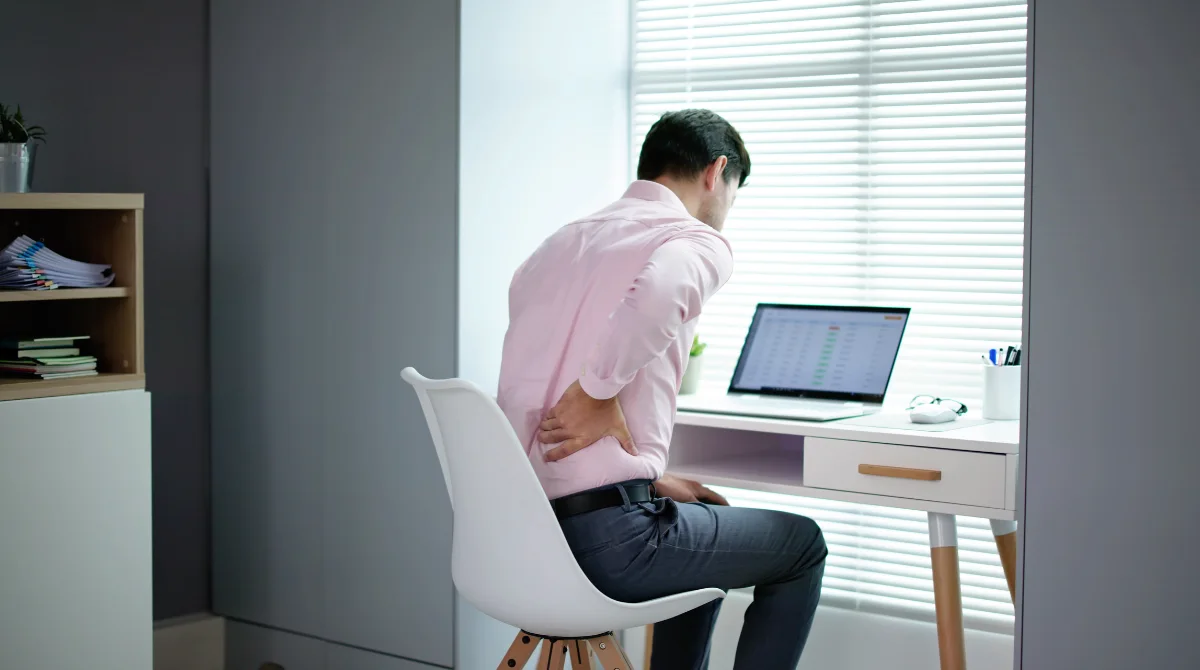
- Back pain
- Poor pillow quality
A TripAdvisor survey found 26% of guests disliked hotel beds primarily due to firmness misalignment. And in a 2024 Marriott satisfaction survey, 41% of guests rated sleep quality below average.
These numbers complicate the "buy the hotel mattress" strategy. Hotel mattresses work well for many - but create discomfort for a significant minority whose preferences don't align with the medium-firm standard.
The Couples Problem Hotels Can't Solve
34% of couples disagree on mattress firmness preferences, according to a Mattress Firm Consumer Sleep Study. One partner wants firm support; the other needs softer cushioning. Fixed-firmness hotel mattresses force compromise.
Motion transfer compounds the problem. According to an American Hotel & Lodging Association study, 47% of people experience partner disturbance due to motion transfer in hotel mattresses. Innerspring constructions - used in 70% of luxury hotels - score lowest in motion isolation tests.
This has driven 25% annual growth in demand for split and dual-sided mattresses, according to Statista. The market is moving toward solutions hotel mattresses structurally cannot provide.
One frequent traveler shared their experience with the long-term impacts of hotel mattresses on r/BuyItForLife:
"As someone who was privileged enough to live out of these fancy hotels for a year and half (consultant in a past life); I can tell you that they seem very comfortable in the short term but are absolute trash for your back in the long term (too soft). Six months in, I eventually resorted to pulling off the duvet and sheets from the bed, and sleeping on the floor to avoid fucking up my back. Obviously there may be some exceptions, but this has been my experience overall."
Active Pressure Relief: What Static Mattresses Can't Do
Static hotel mattresses provide fixed support. Once compressed, they stay compressed until morning. Active Pressure Relief technology operates differently - combining real-time sensing of pressure points with real-time adjustments throughout the night.
The Active Pressure Relief Framework:
When evaluating Active Pressure Relief systems, three metrics determine effectiveness:
Sound (Noise Level): Adjustments must be silent - if the bed wakes you while redistributing pressure, it defeats the purpose of real-time responsiveness.
Resolution (Precision): How precisely can the system sense and adjust across the sleep surface? Low-resolution systems use a single mechanism for the entire body. High-resolution systems feature multiple independent zones that respond to specific pressure points.
Response Time (Speed): True "real-time" means adjustments within seconds of detecting pressure buildup - not once per hour or only when manually triggered.
Smart beds with high-resolution Active Pressure Relief reduce peak sacral pressure by up to 21% through dynamic redistribution - pressure relief that static materials cannot provide regardless of construction quality or brand prestige.
Why Bryte Delivers What Static Mattresses Can’t
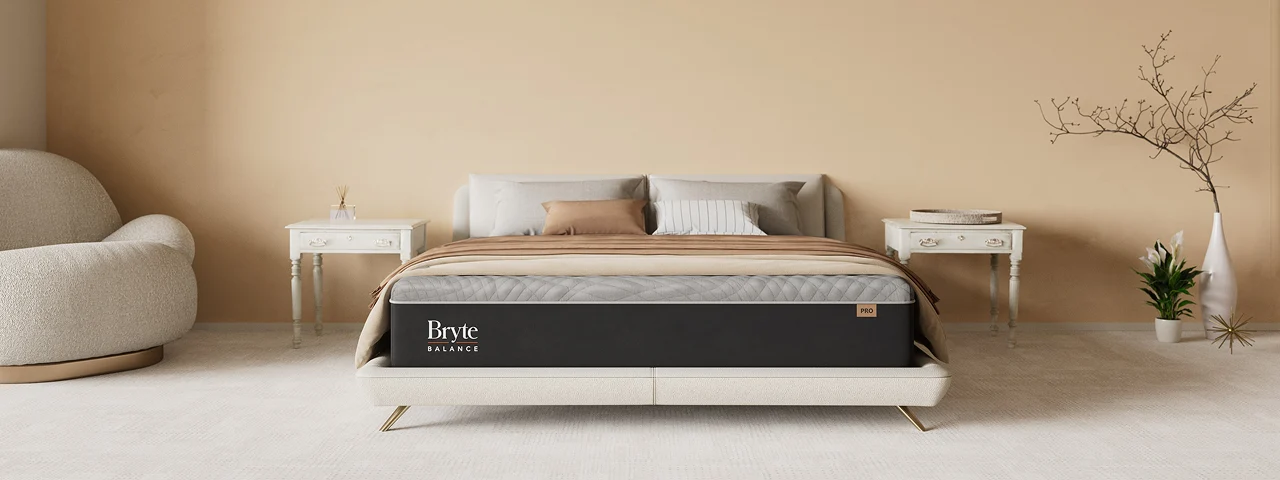
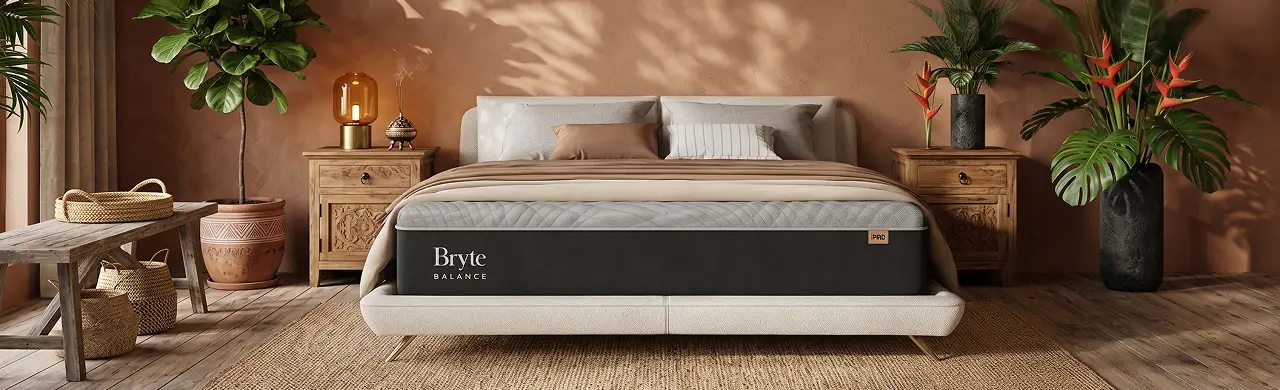
Bryte's Active Pressure Relief addresses the specific limitations of static hotel mattresses through real-time sensing and adjustment rather than passive materials.
Bryte is not only a residential sleep technology platform -it is already deployed in luxury hospitality environments where guest expectations are highest. Properties like Rosewood Miramar and The Little Nell selected Bryte specifically to elevate restorative sleep as part of their premium brand positioning.
This real-world hospitality validation distinguishes Bryte from purely consumer smart bed brands.
Smart sleep systems haven’t gone chain-wide for one reason: operations. They add onboarding, servicing, and upgrade cycles that most large flags avoid. But at the property level - where differentiation matters and guest experience drives rate - adoption is already happening.
Active Pressure Relief vs. Static Support
The Bryte Adaptive Core features 90 intelligent, pneumatic Balancers organized into 16 independent zones (8 per sleeper). This high-resolution design means the system can detect and respond to pressure at specific body regions - not just a general "soft" or "firm" setting for your entire side.
These sensors detect pressure imbalances and make silent, automatic firmness adjustments within seconds - alleviating pressure points before they wake you rather than after. The silent operation ensures adjustments never disrupt sleep, while the rapid response time means you benefit from real-time redistribution throughout the night.
Dual-Zone Firmness for Couples
Each partner controls their side's firmness independently from 0–100. No compromise required. The Silent Wake Assist feature uses gradual motion to wake one partner without disturbing the other - something static mattresses typically can’t offer.
Sleep Onset Technology
BryteWaves syncs gentle, rhythmic motion with curated audio (nature sounds, guided meditation, breathwork) to physically lower stress and accelerate sleep onset. Static mattresses - regardless of price - cannot address the psychological component of falling asleep.
Continuous Improvement vs. Depreciation
Hotel mattresses degrade from day one. Bryte OS delivers over-the-air updates that improve the sleep experience over time. The bed you own in year three performs better than the bed you purchased.
Three Models for Different Preferences
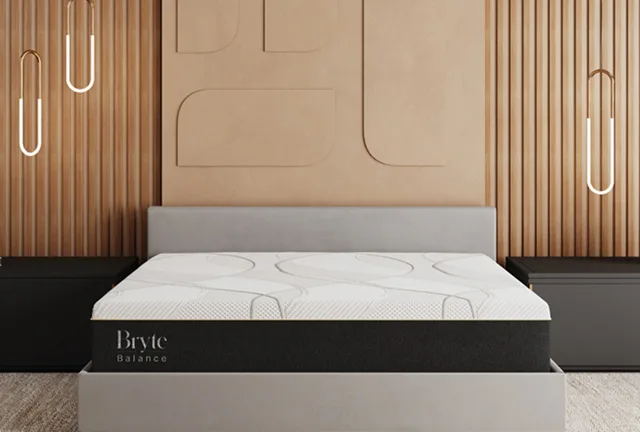
- Bryte Balance: Medium-soft to medium-firm, breathable support layer
- Bryte Balance PRO: Soft to medium, premium comfort layer, advanced zonal control
- Bryte Balance PRO Conform: Medium-soft to firm, high-density gel-infused memory foam for motion isolation
The Real Question: Hotel Mattress or Hotel-Quality Sleep?
Buying a Ritz-Carlton mattress gets you a quality hybrid from Stearns & Foster. It won't replicate the hotel sleep experience because:
- You're getting retail specifications, not commercial construction
- You're missing 78% of what creates hotel comfort (linens, environment, psychology)
- You're locked into fixed firmness that may not match your preference
- If you're a couple, you're both compromising
The smarter question isn't "which hotel mattress should I buy?" It's "what actually creates exceptional sleep at home?"
Some luxury hotels are answering that question with adaptive sleep tech - and Bryte is one of the systems already selected by properties like Rosewood Miramar and The Little Nell.
Hotels optimize for durability and operational simplicity. The most forward-thinking luxury properties are beginning to optimize for sleep performance. At home, you don’t need to compromise - you can choose a system built specifically for your body, your partner, and your sleep patterns.
Bryte’s Active Pressure Relief represents that evolution: real-time sensing, real-time adjustment, and continuous improvement over time.
Frequently Asked Questions
Can I buy the exact same mattress luxury hotels use?
No. Retail versions differ from commercial hotel mattresses in padding density (~15% less), construction durability (8–10 year vs. 20–25 year lifespan), and fire code specifications.
Key differences:
- Commercial: TB117/TB133 fire codes, reinforced components
- Retail: 16 CFR 1633 residential standards, standard density
- Hotels pay 30–50% less through bulk purchasing
Why do hotel beds feel more comfortable than my bed at home?
The mattress is only 22% of the equation. A Hilton survey found 68% of guests attribute comfort to the complete bedding ensemble.
Contributing factors:
- Premium linens (300–600 thread count)
- Temperature-controlled room (~65°F)
- Quality pillows and comforters ($200+ each)
- Quarterly mattress rotation
- Vacation psychology and stress absence
What firmness level do luxury hotels use?
62% use medium-firm (6.5/10). Only 15% opt for plush or firm extremes. This one-size-fits-all approach satisfies the broadest range of guests but doesn't optimize for individual preferences - which is why 34% of travelers still report poor hotel sleep.
Do luxury hotels use memory foam or innerspring mattresses?
70% use hybrid or innerspring systems. Hybrids account for 45% of new 5-star installations since 2020. Hotels avoid all-foam for better breathability in high-occupancy settings where mattresses may be used 300+ nights per year.
Are hotel mattresses worth the premium price?
It depends on your expectations. If you want a quality hybrid mattress from a reputable manufacturer, hotel retail programs deliver. If you're trying to replicate the hotel sleep experience, the mattress alone won't get you there - you'd need to invest in the entire sleep system ($5,000–$10,000 total).
How long do hotel mattresses last at home?
8–10 years for retail versions. Commercial hotel mattresses last 20–25 years, but consumers receive standard-density construction. Hotels also rotate quarterly and inspect annually - maintenance most home users skip, which accelerates wear.
What can Active Pressure Relief do that most hotel mattresses can't?
Real-time sensing, real-time adjustment, and continuous improvement.
- Pressure redistribution within seconds (up to 21% reduction in peak pressure)
- Independent firmness control per partner (0–100 scale)
- Silent operation that never disrupts sleep
- High-resolution sensing across 16 independent zones
- Sleep onset assistance through motion and audio
- Over-the-air software updates that improve performance over time
Shop Bryte Beds
From the Park Hyatt New York to Rosewood Miramar Beach, thousands of guests have experienced Bryte in the world’s top hotels—now it’s your turn.